Blizzard of 2026
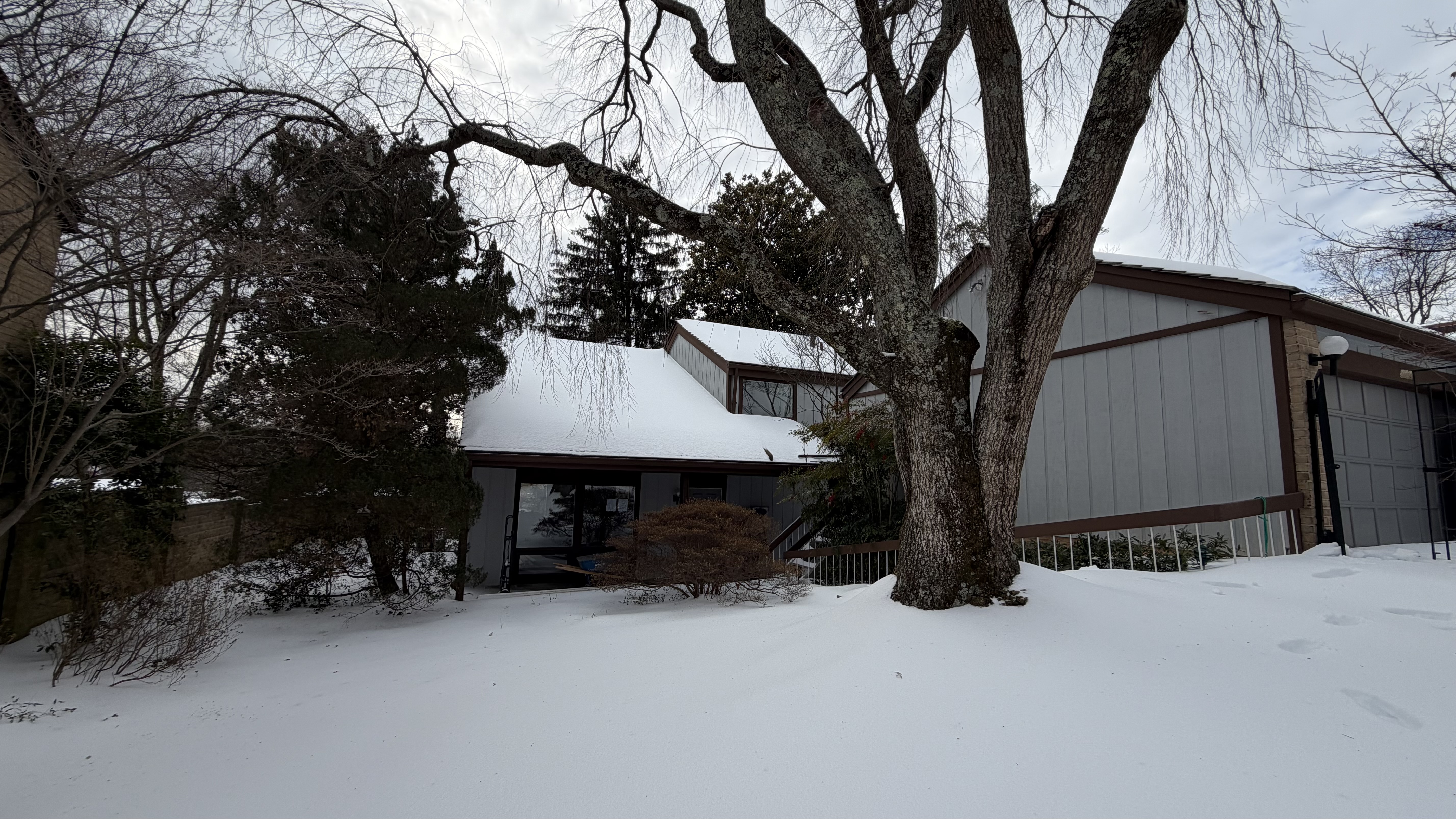
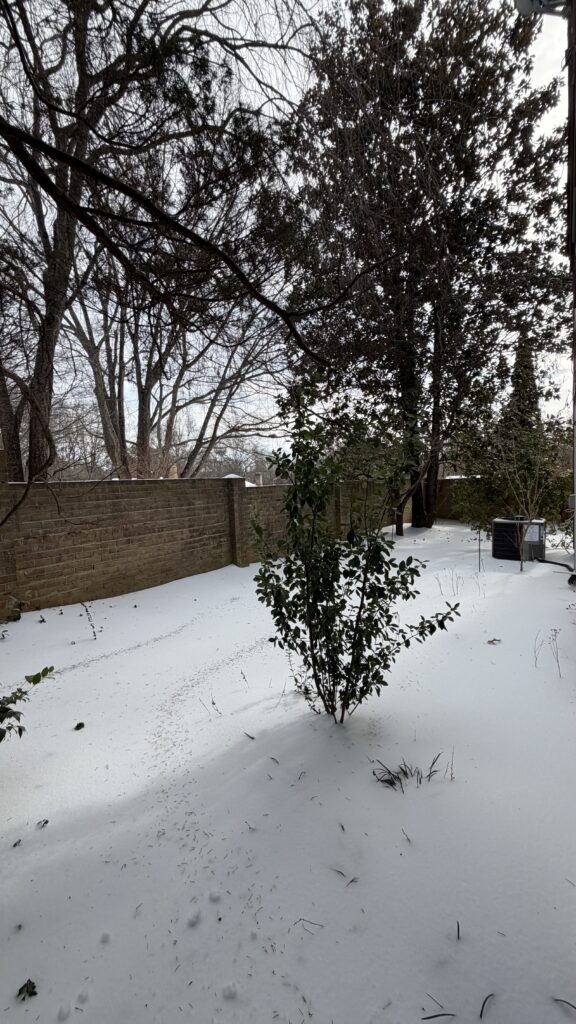
The forecast looked brutal: up to 18 inches of snow, then compacted down to 7 inches by a thick layer of ice. Not good news for our little restoration project.
As a child growing up in western Pennsylvania, a forecast like that was pure electricity. Snow days were currency. The house buzzed with sledding and skiing potential. The AM radio stayed glued to the kitchen counter, tuned to KDKA as school districts were read off alphabetically. Ours—starting with a W—was always near the end. Cancellations of nearby schools brought us a flicker of hope, then the familiar letdown: two-hour delay, no morning kindergarten. And once you were awake—heart racing, adrenaline spiking—there was no crawling back into bed to enjoy the extra time under the Sunbeam electric blankets.
As an adult, in the middle of an expensive renovation with zero slack in the schedule, the same forecast hits differently.
Early model runs—only European models, the American ones have lost my trust—sent us straight to Home Depot to stock up on ice melt and snow shovels before the panic buying began. Our snowblower, Old Faithful, a cheap Amazon impulse buy several years ago that was somehow still alive, needed a much longer extension cord to reach the end of the driveway. Whatever was coming, the Blizzard of 2026 wasn’t going to knock us off pace.
In the end, we lost just one day: Monday.
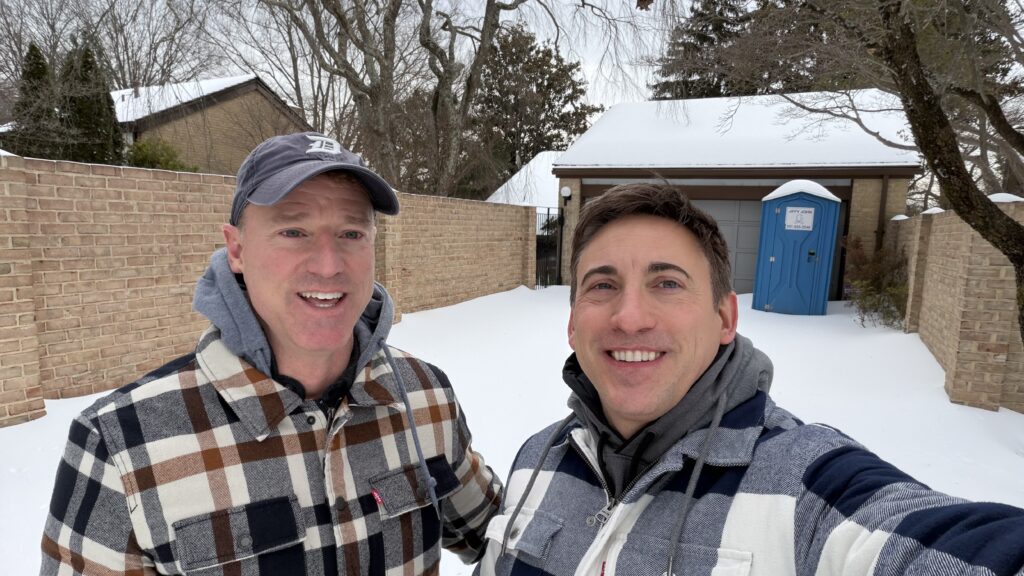
We woke early, loaded up the Explorer, and crept through mostly plowed roads. Our neighborhood hadn’t been touched, so we circled around to the elementary school—their streets are always plowed first, and it’s only a block from the house. We parked there and walked in through the neighborhood’s back entrance.
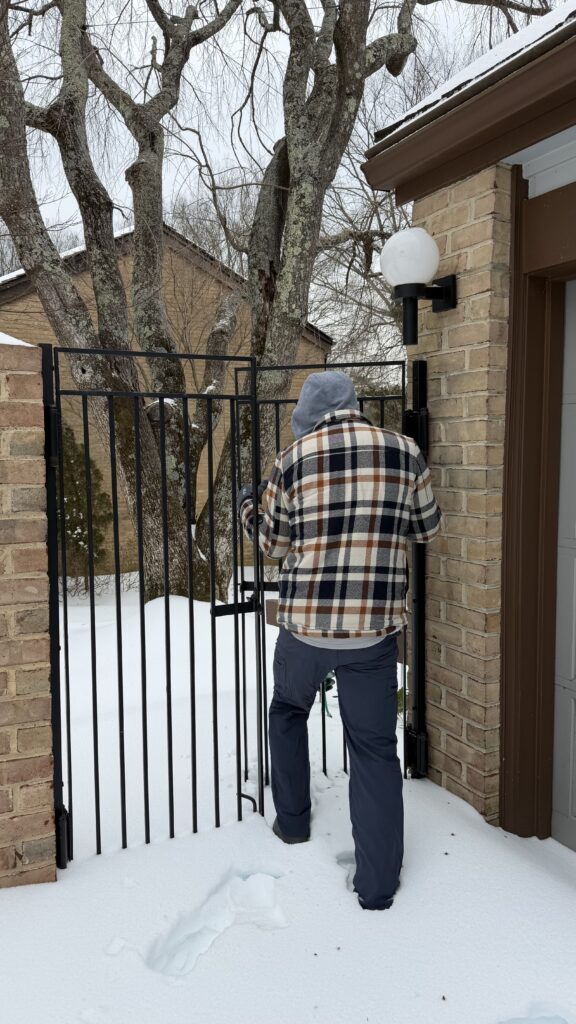
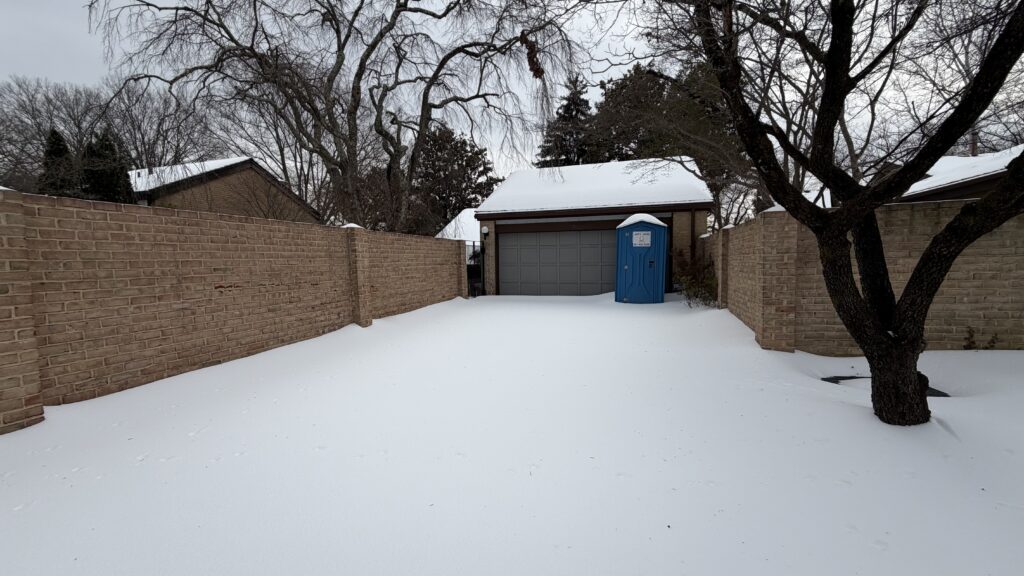
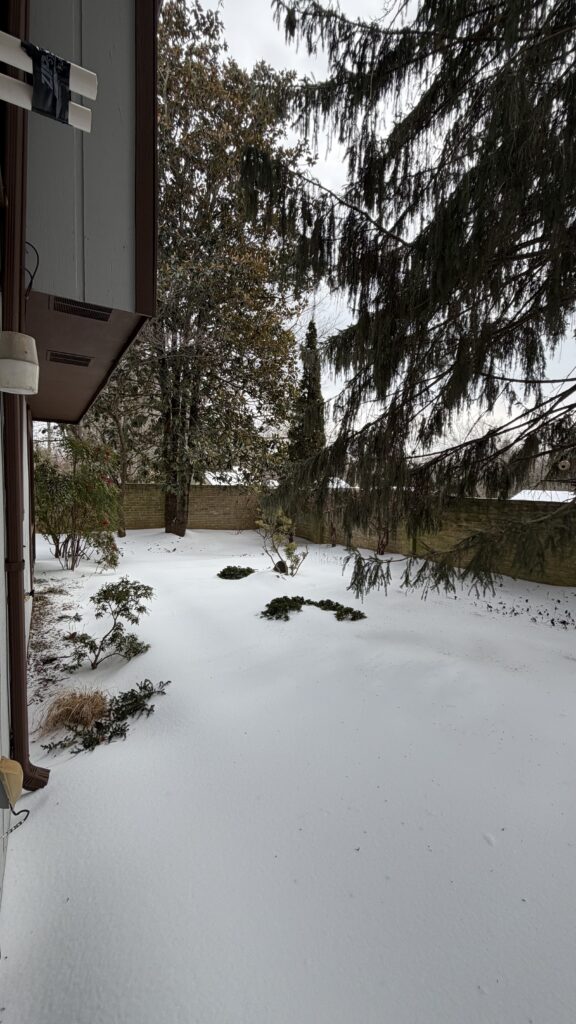
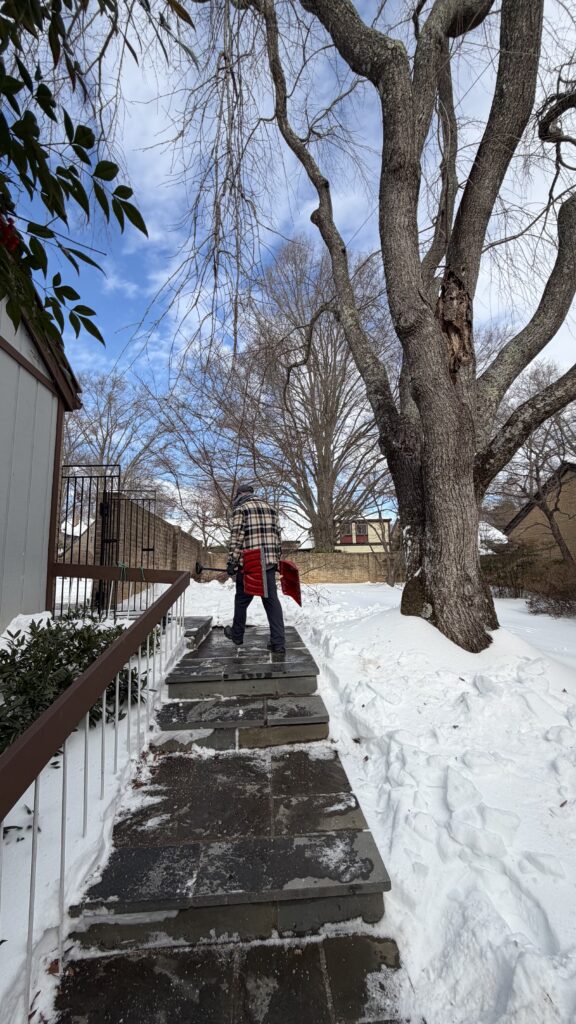
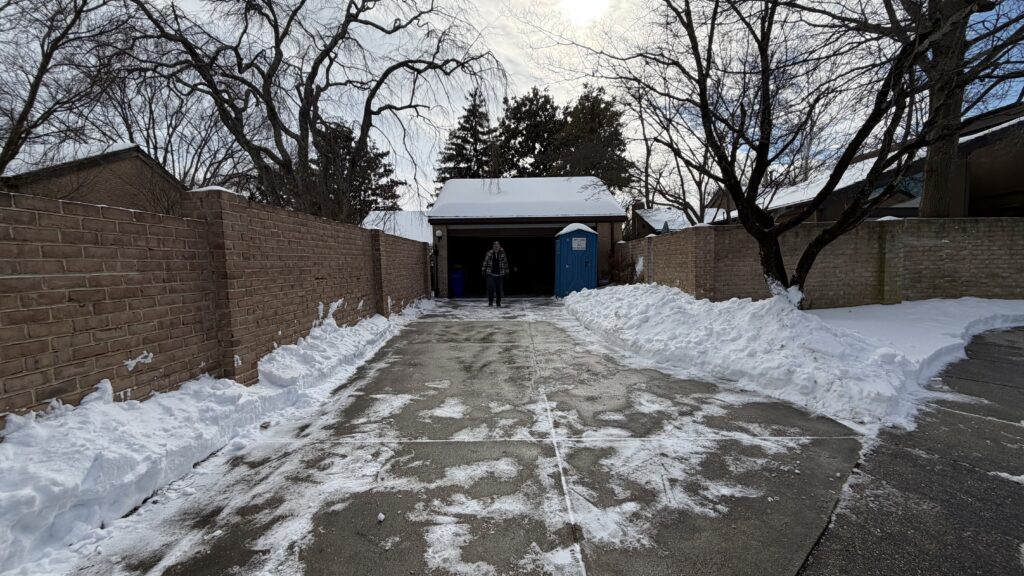
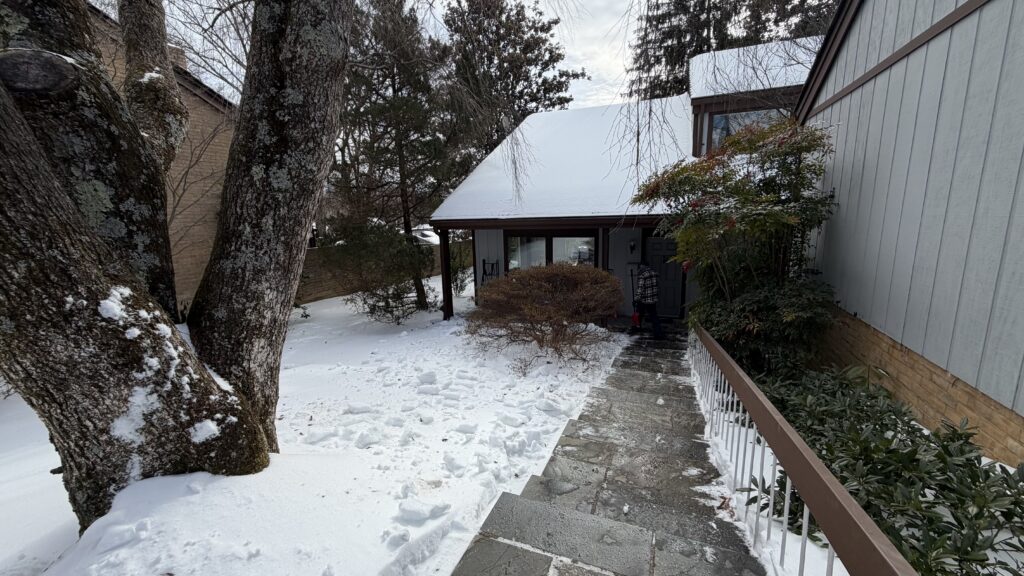
The real battle wasn’t the snow; it was the ice. A hard, glassy crust sealed everything beneath it. We had to chip and claw that top layer loose just to make the snow blower useful. Two solid hours later—cold, sore, and soaked—we finally cleared the driveway. One shovel after another we had a path forward.
One Shovel After Another
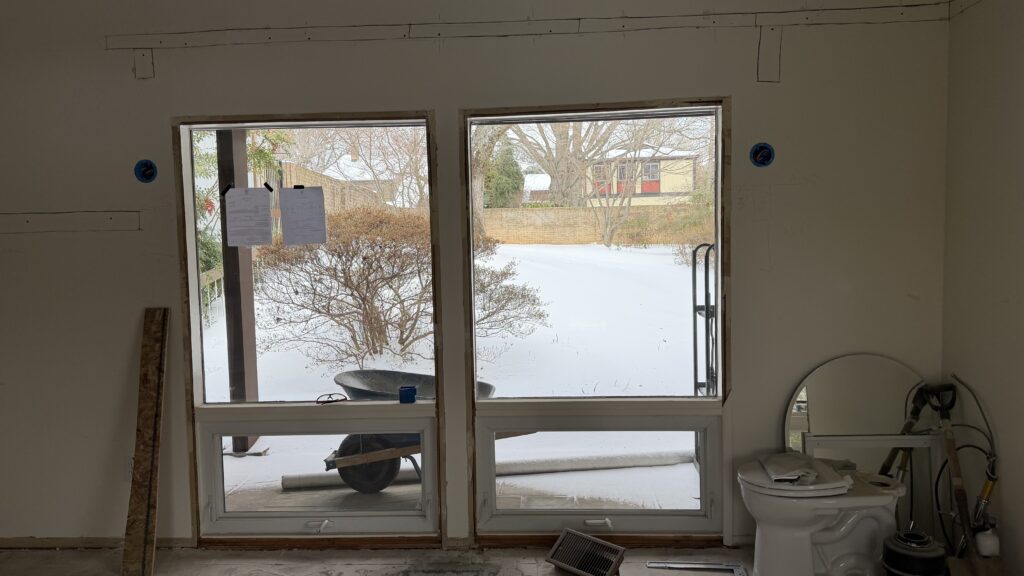
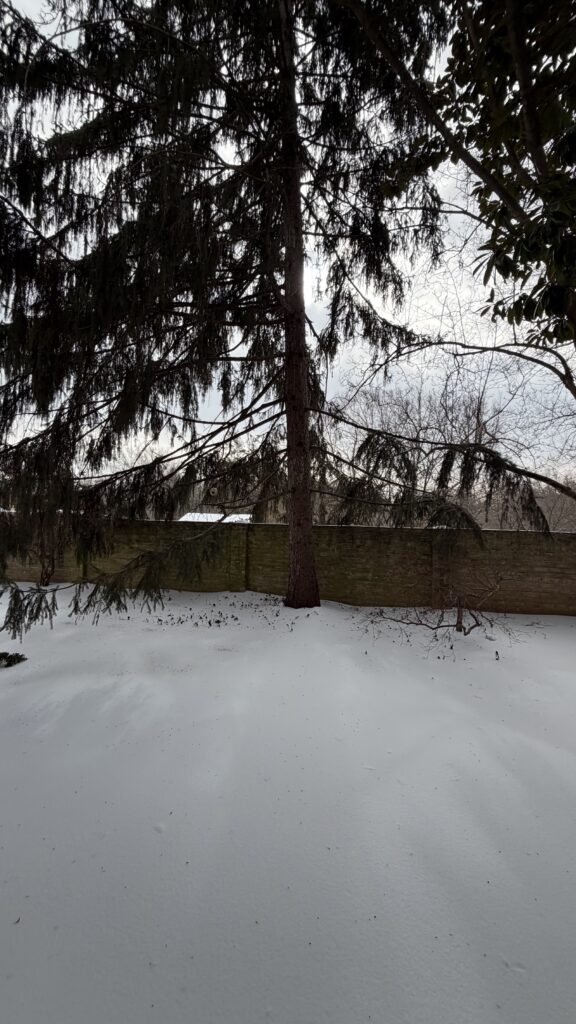
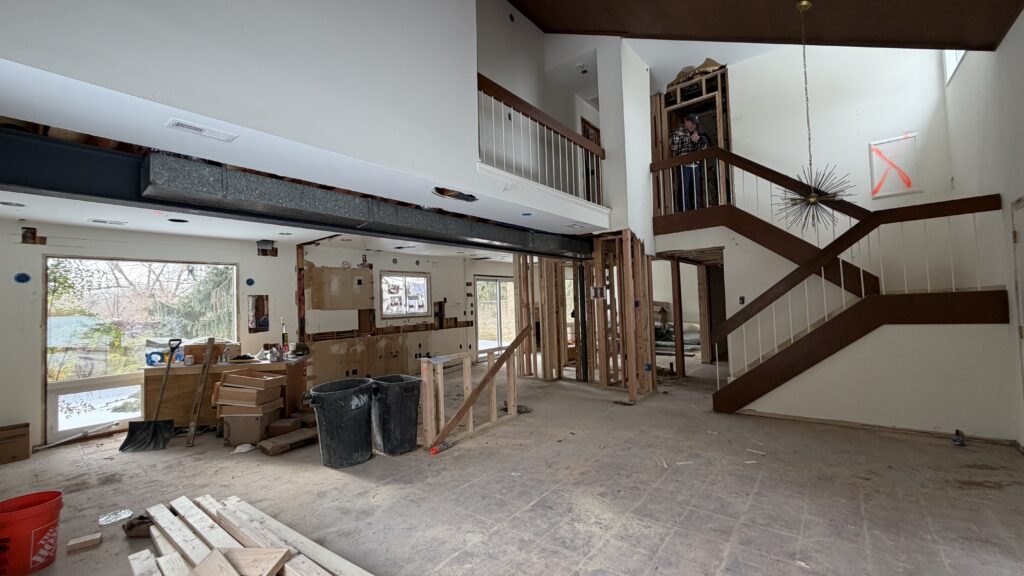
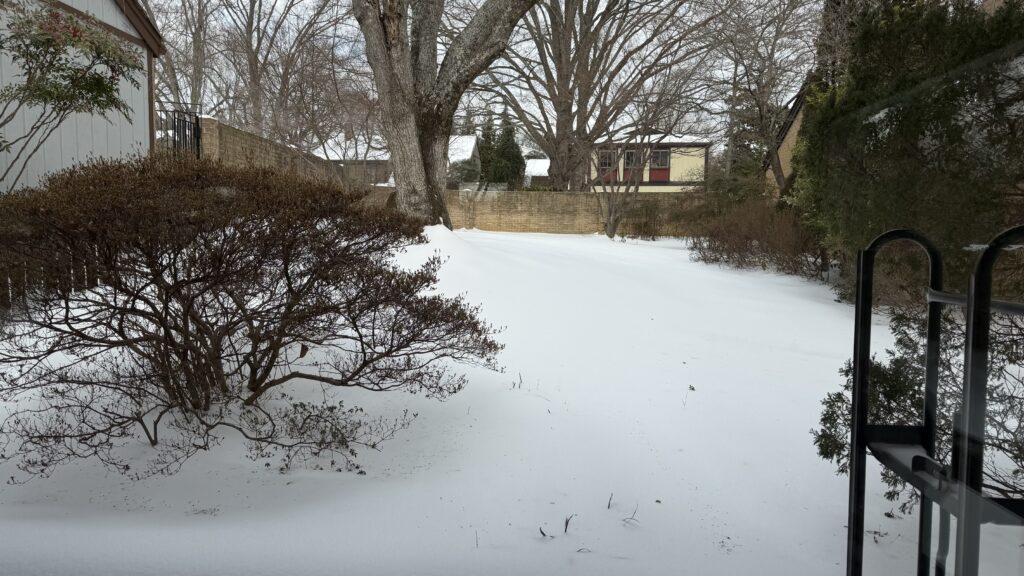
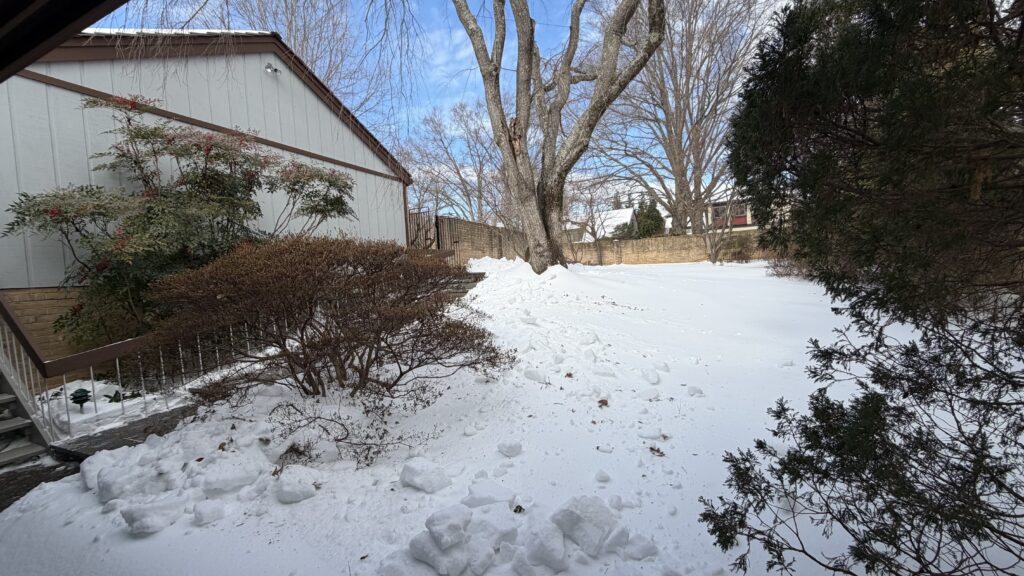
Surveying the Surreal Site
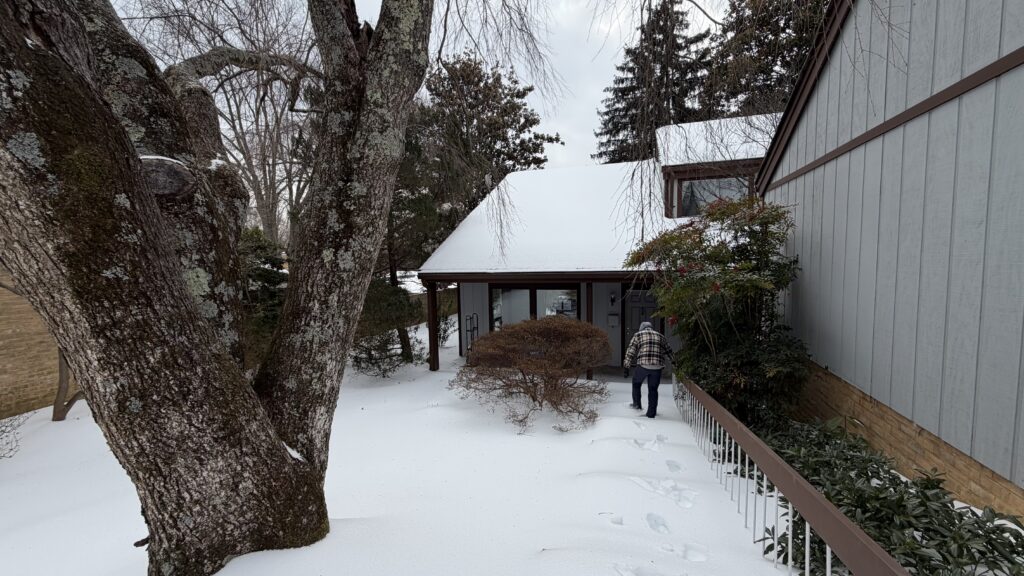
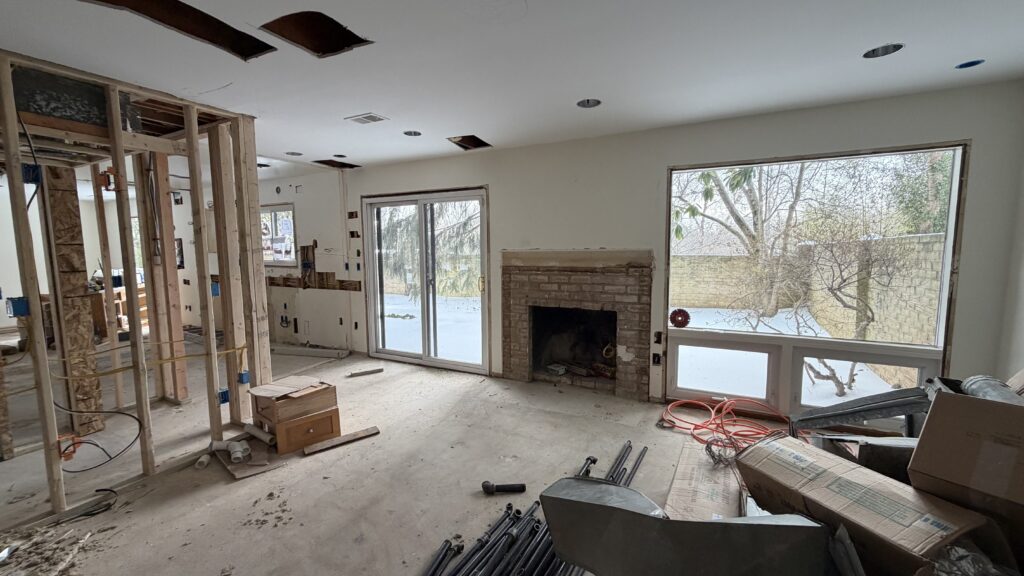
Surveying the site on a Saturday was surreal.
Construction has quietly crossed several important milestones: electrical, HVAC, plumbing, and gas are all complete and now awaiting inspection. With those approvals complete, we can finally move forward—insulation, drywall, and the long-awaited moment when walls become walls again and the heat turns back on.
Walking through the house, with almost everything now fully exposed, it becomes obvious what it took to get here.
A lot of holes.
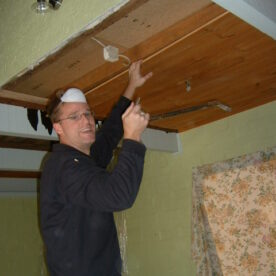
Not a single room, wall, or ceiling escaped unscathed. Holes carved to snake wiring, pipes, and HVAC runs through the narrowest of places, just to get where they needed to go. Holes where walls used to be. Holes where new walls will soon stand. Abandoned floor vents. New ceiling vents. Asbestos duct runs in the slab permanently sealed in concrete.
And then there’s the one hole still waiting to happen: a plumbing access panel scarring the spectacular staircase—what should be an architectural highlight of the house. Obviously, that will be fixed.
From a distance, it looks chaotic—borderline destructive. Up close, it’s methodical. Necessary. The kind of mess that only exists briefly, right before everything starts to make sense again.
One Hole After Another
Living the Layout
Closing up the walls marks the point of no return in any renovation.
Up until now, everything is visible. Every wire, pipe, duct, and decision is right there in front of you, exposed. If something looks off, you catch it. There’s still time to adjust, reroute, rethink. This is where walkthroughs—more accurately, living-throughs—become essential.
We stepped through daily routines methodically: imagining waking up, where the coffee maker will live, where the hair dryer gets plugged in, how we get dressed. Are the outlets where we actually need them? Is there enough heat and air conditioning near the large, floor-to-ceiling windows to stay comfortable in extreme weather? Something this very week is testing in real time. Where do we hang the cordless vacuum for it to recharge? Do shoe and coat closets have enough lighting? This is the last moment to make those changes economically.
Once insulation goes in and drywall follows, re-thinking ends.
You walk the house again and again, tape measure in hand, checking outlet heights, switch locations, and clearances that looked fine on paper but need to work in real life. You stand in rooms imagining furniture that doesn’t exist yet, reaching for light switches that aren’t yet installed, tracing invisible paths of flow and sound. You ask questions that start with “What if…” and “Are we absolutely sure…”
Because once the holes disappear, so does your margin for error.
It’s also the last moment the house looks like a construction site rather than a home. Chaos, yes—but purposeful chaos. The kind that signals progress. The kind that proves something fundamental has changed, even if it doesn’t look better yet.
Soon, the holes will be sealed. The mess will retreat behind clean lines and smooth surfaces.
And the house will start keeping secrets again.
A Fortunate Flaw
Meaningful Misplacement
A small error by the HVAC contractor placed a duct run in the bulkhead on the wrong side of the steel beam, pushing it farther into the living room at the front of the house.
On paper, a mistake.
In reality, a gift.
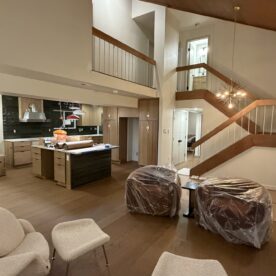
That unintended shift resulted in a much more open feeling in the kitchen and, unexpectedly, aligned better with the second-floor walls above. The payoff is subtle but powerful: the upstairs hallway now appears to float more cleanly over the living room, strengthening the visual connection between floors and reinforcing the home’s vertical drama.
Correcting the bulkhead meant shifting—yet again—the layout of recessed can lights, adjusting the ceiling channel, and relocating four pendant lights over the island. Not insignificant changes. But this is still the time when those adjustments are cheap and easy.
Again, once drywall goes up, everything else locks down.
This was another reminder that this phase—living the layout—is now or never. Decisions made here cost little more than attention to detail. Decisions deferred become expensive lessons later.
In the end, an accidental move led to a better result—and we were lucky enough to catch it in time.
Turning Up the Heat
Heat, Heightened
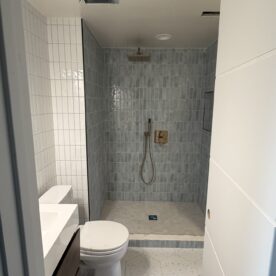
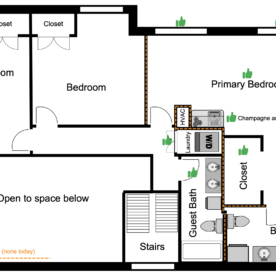
Relocating the HVAC run up into the attic had an immediate and welcome payoff. Clearing that space on the first floor made room for a dedicated shoe closet—something that simply didn’t fit before—and freed up enough square footage to meaningfully expand the primary shower. What had been a tight 36-by-36-inch stall gained another 18 inches, turning a functional compromise into something far more comfortable. It was one of those rare moments where a mechanical correction unlocked better living, proving once again that paying attention at the right time can change everything.
What’s Next – Chapter 10
If this chapter has been about decisions—where things go, how spaces connect, and when to commit—the next one pulls the clock back.
Living overseas rewired how I think about space and clutter.
London taught me minimalism by necessity. How restraint creates clarity. Small spaces demand intention, and when nothing is wasted, everything works harder. Storage becomes architecture. Furniture earns its footprint. Less isn’t a style—it’s a discipline.
Johannesburg added to my London lesson. Architecture there dissolves the boundary between inside and out. Interiors don’t compete with landscapes, they connect to them. Light, air, and nature aren’t framed and admired from a distance—they’re invited in. Space flows outward, nature inward, houses becomes a part of the environment rather than isolating from it.
Chapter 10 explores how those two worlds—compression then openness—shape the decisions being made here. Why were committed to a restoration that isn’t just a period appropriate modern take but also results in a home that’s smarter, more useful, and more connected to nature and community that surround it.