Why on earth did I buy a mid-century modern house in Washington D.C.? Glad you asked.
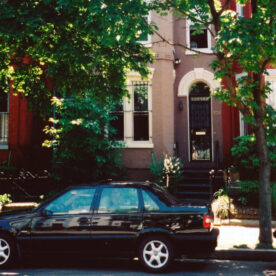
Finding a true mid-century modern home in Washington D.C.’s colonial-filled suburbs is about as rare as seeing a teenager not glued to a screen. So when one came on the market, we did what any rational couple with a renovation addiction would do—bought it! This project will pull together every lesson from every home we’ve touched before—some learned gracefully, others… let’s call them “earned.”
The house has great bones—a floorplan that centers the kitchen at the heart of the home (even if it’s hiding for now) and a generous primary suite. But what truly sets it apart are the qualities that are almost impossible to find in the Washington area. Drumaldry was designed by architect Nicholas A. Pappas and the builder–developers Miller & Smith with an unusually thoughtful approach to privacy: each home is positioned on its lot so that no one can see directly into a neighbor’s windows.
That design decision, paired with the community’s high brick perimeter walls, creates a level of seclusion that’s rare rare for inside-the-beltway Washington living. It also preserves one of mid-century modernism’s defining features—floor-to-ceiling windows that look out onto nature rather than the house next door. Instead of relying on heavy window treatments for privacy, the architecture and site planning do the work. A few well-placed trees and the natural spacing of the homes provide all the seclusion any homeowner needs.
Good bones: the As-is Beginning
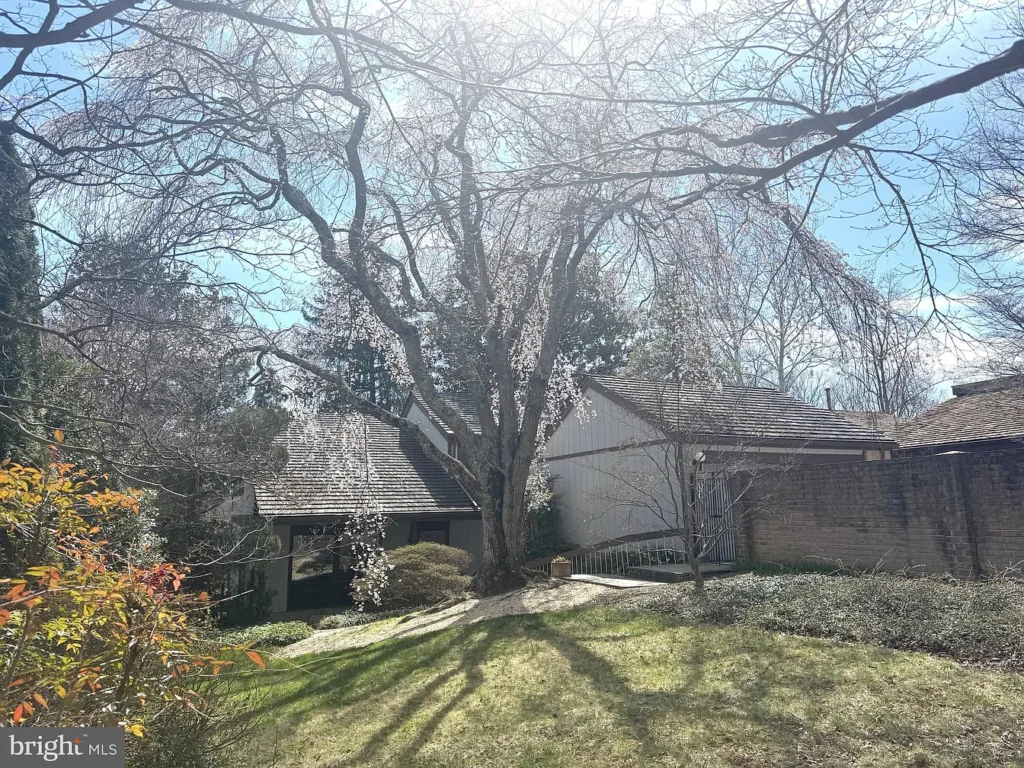 Large private lots
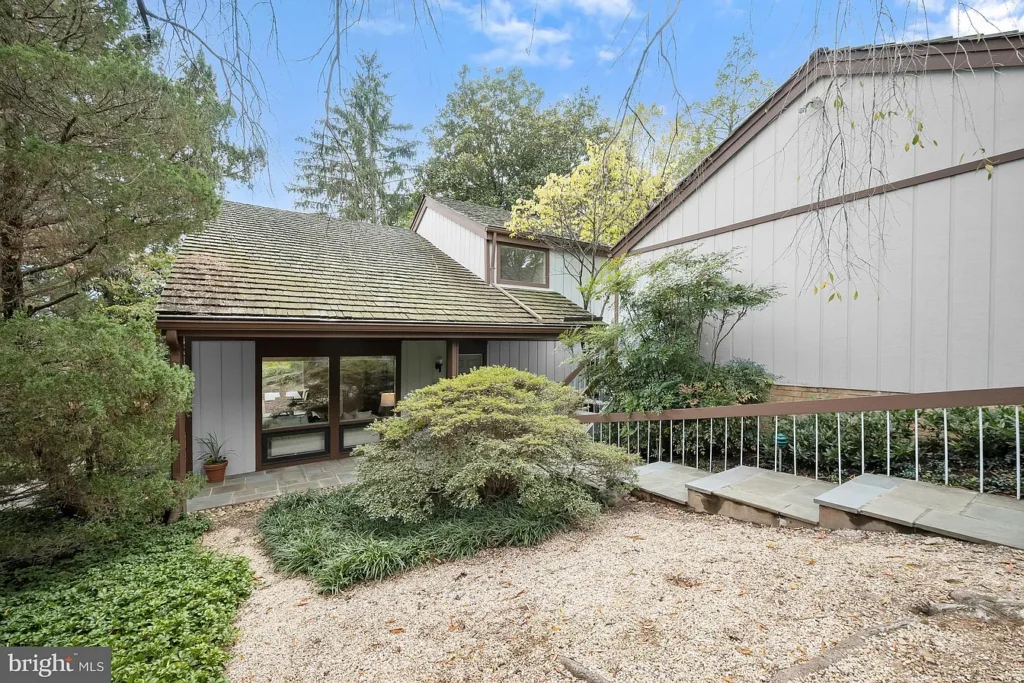 Bethesda Mid-century
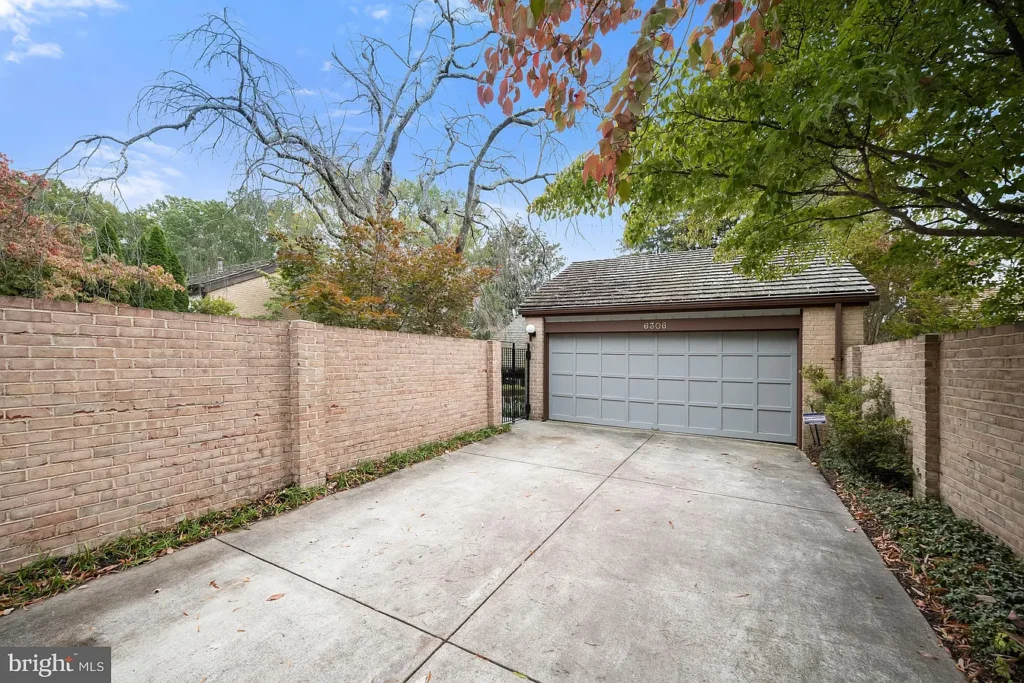 Large private lots
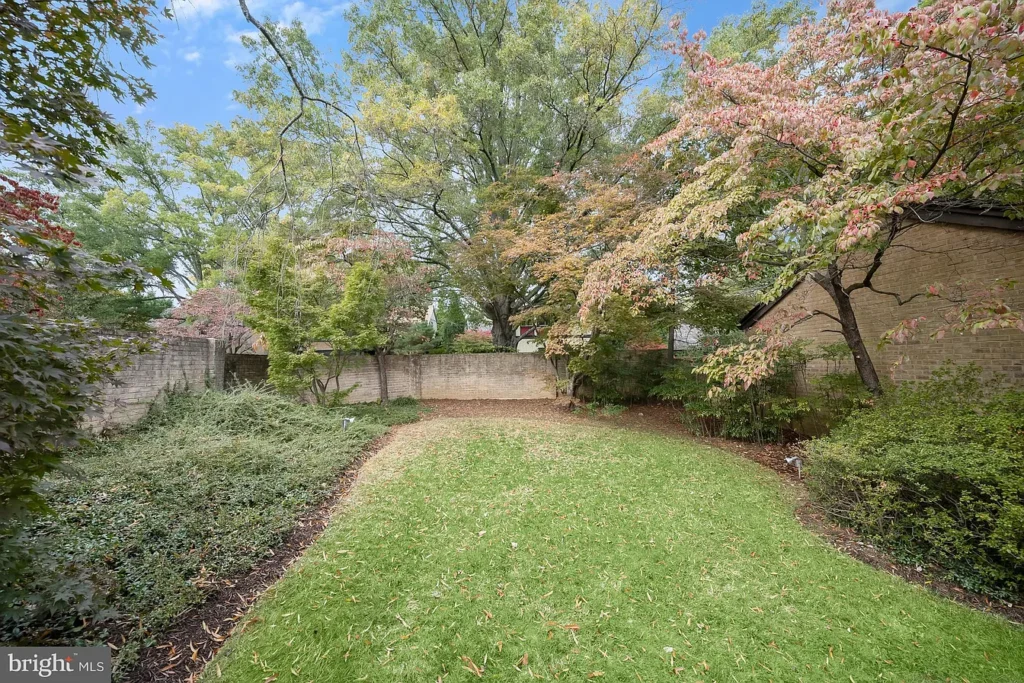 Large private lots
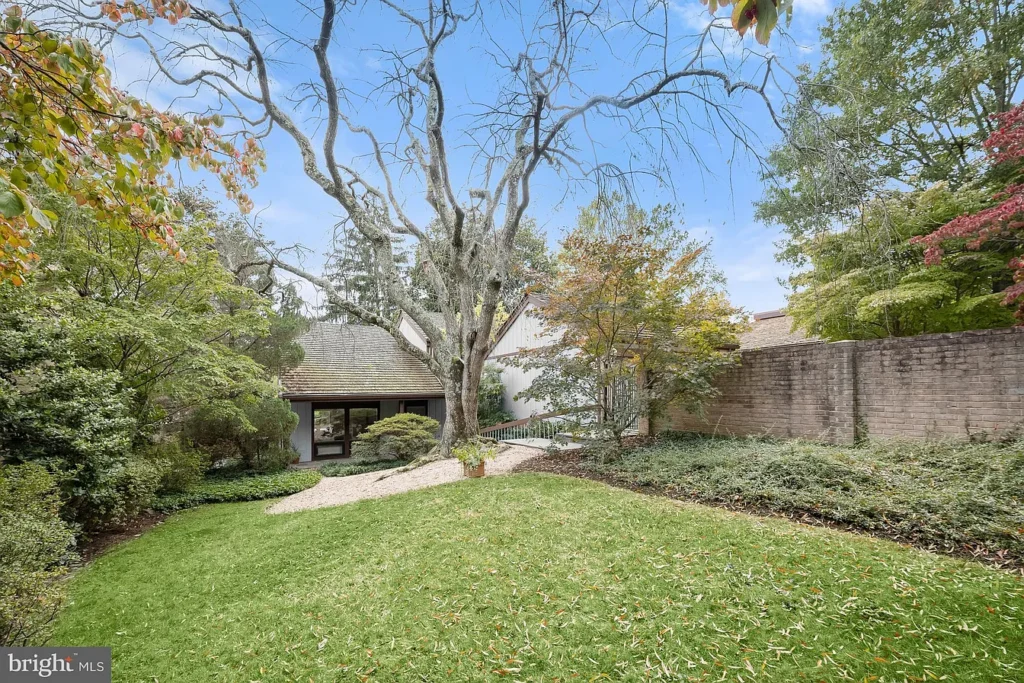 Large private lots
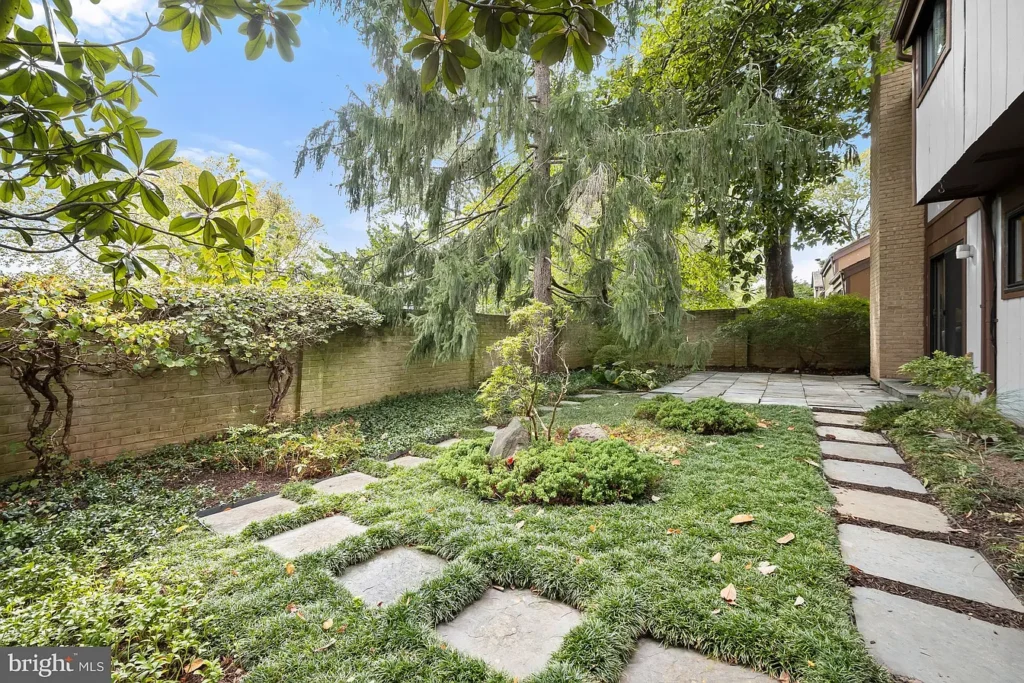 Japanese rear garden
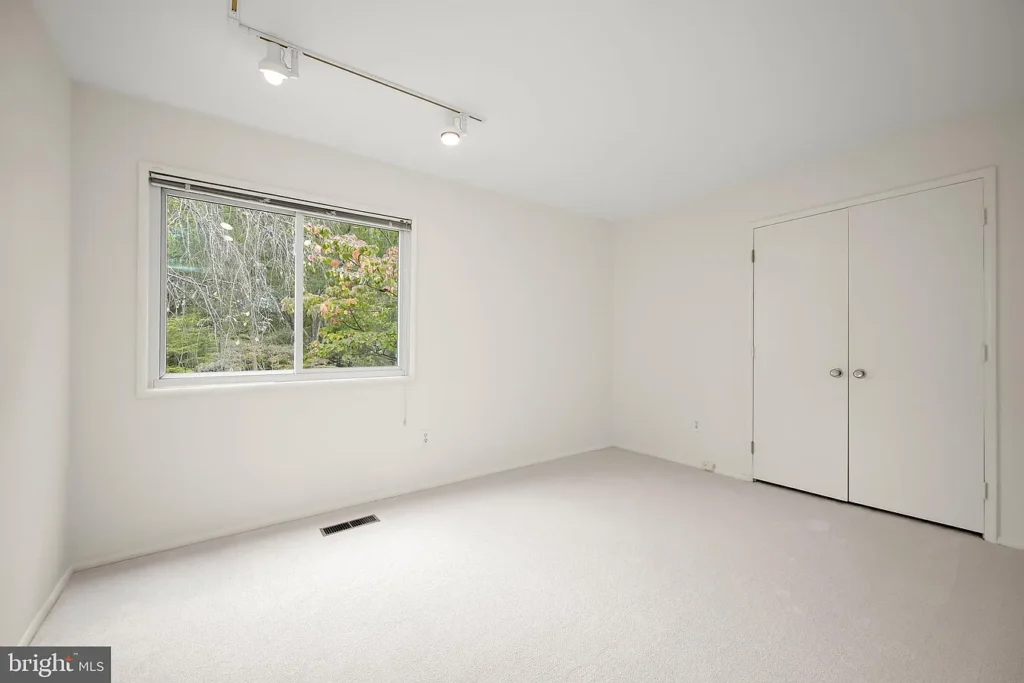 Large guest bedrooms
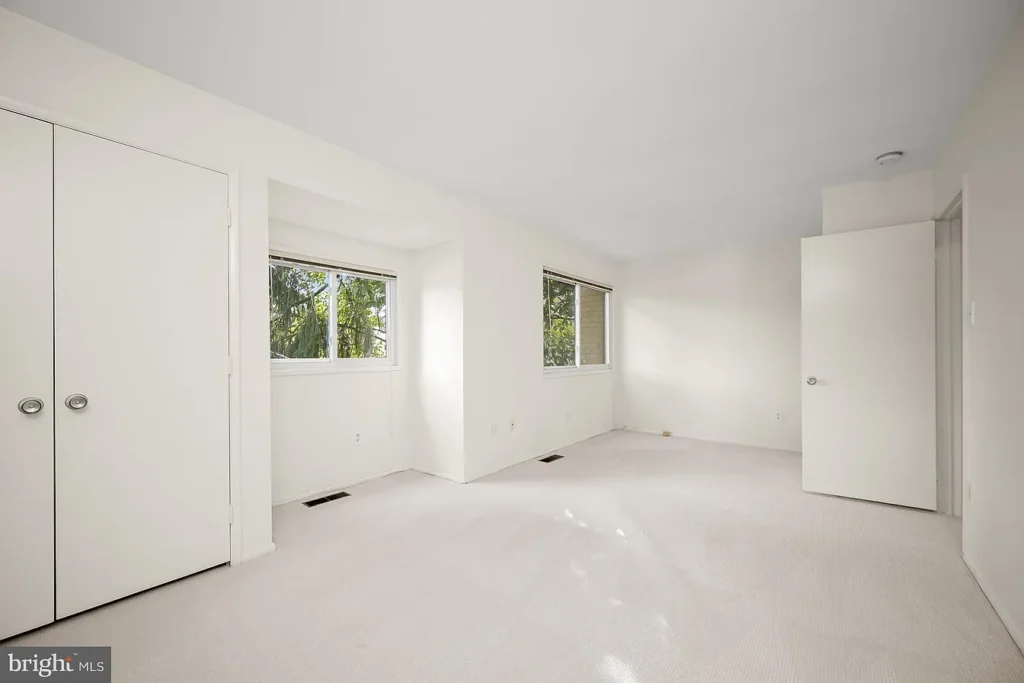 Large guest bedrooms
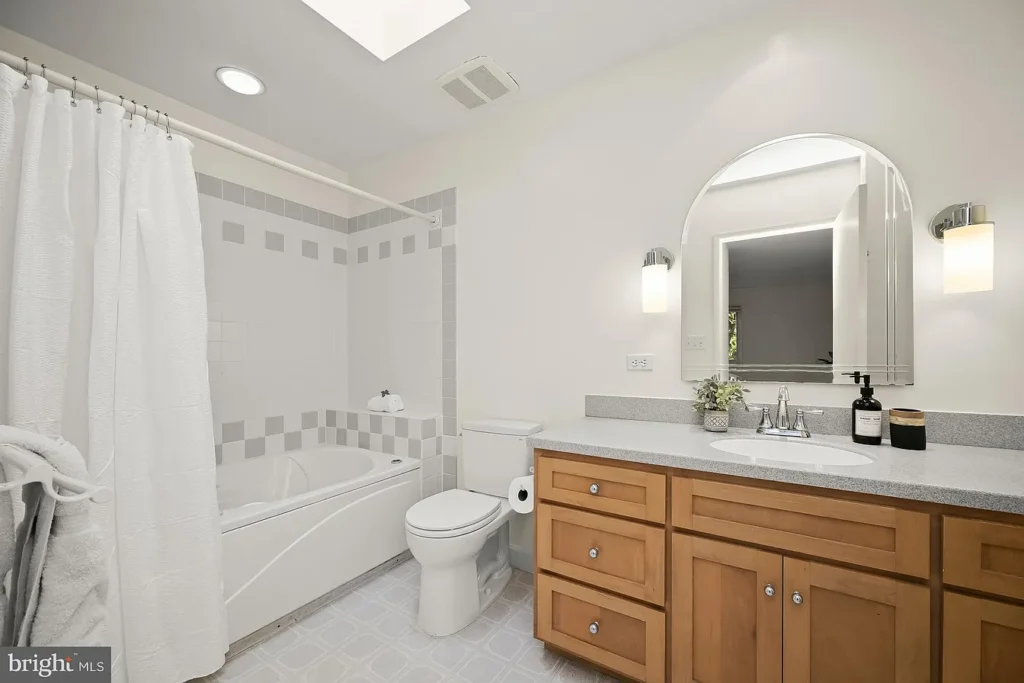 Unfortunate 80s and 90s remodel
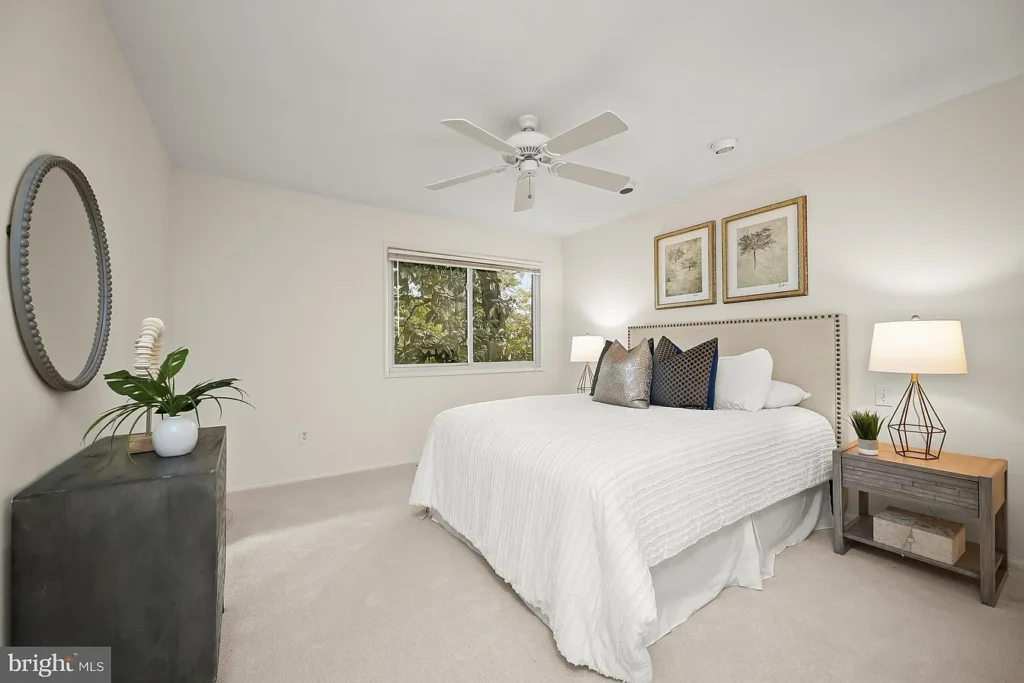 Decent sized primary
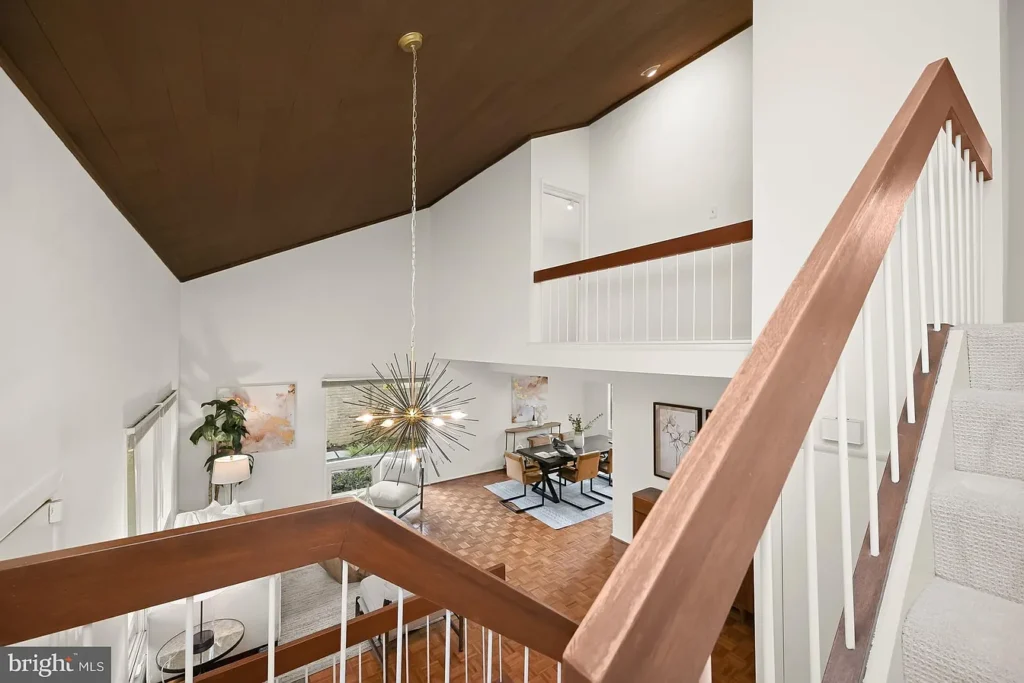 Beautiful architecture
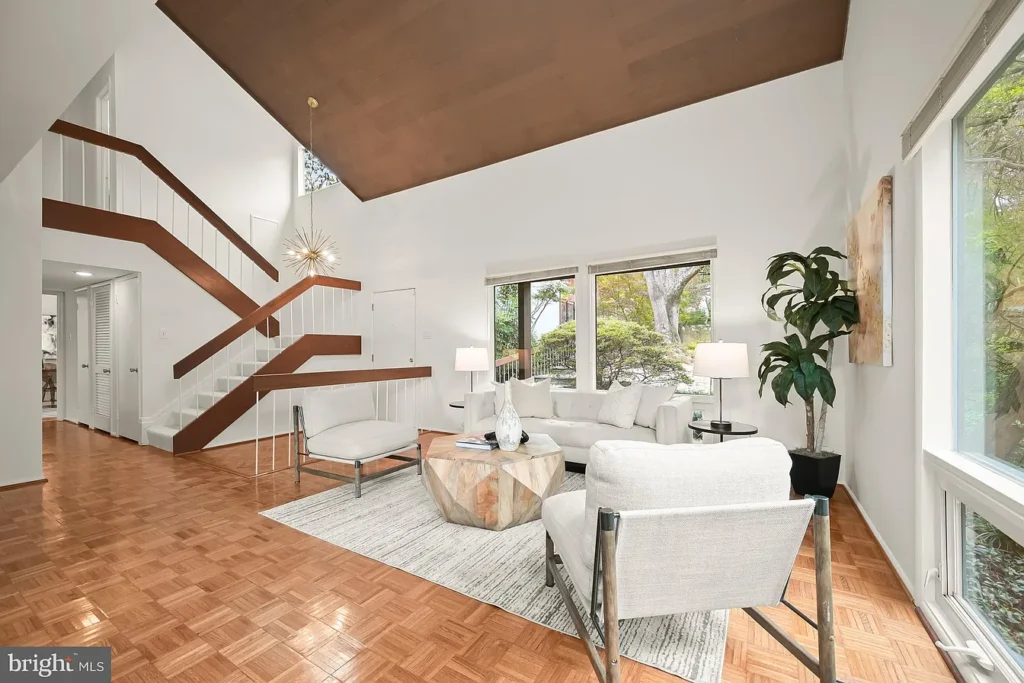 Beautiful architecture
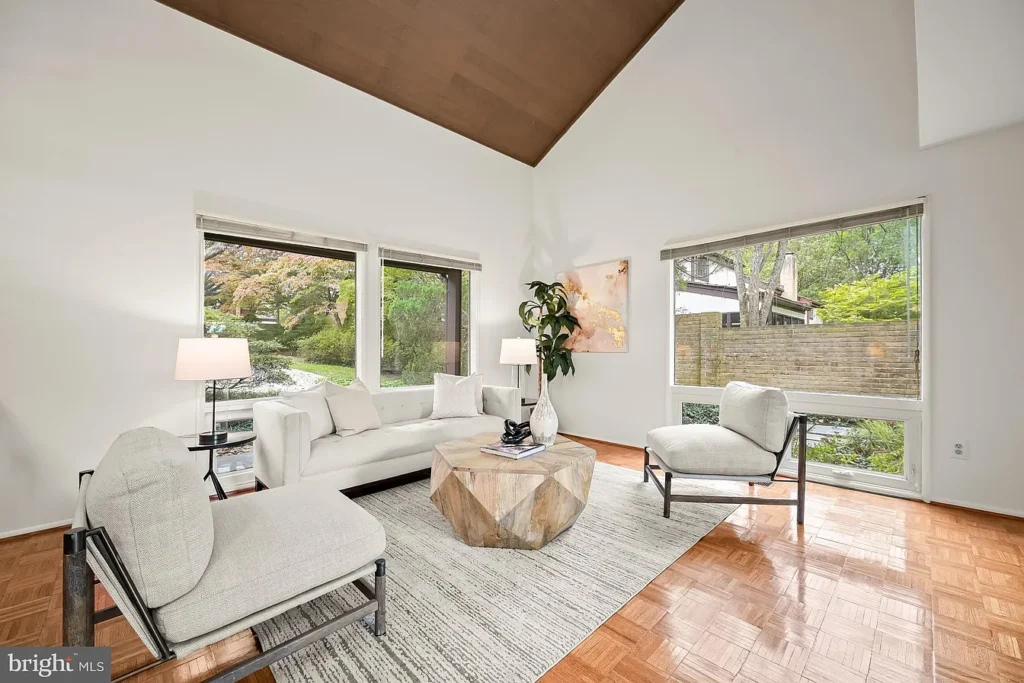 Floor to ceiling, south facing windows
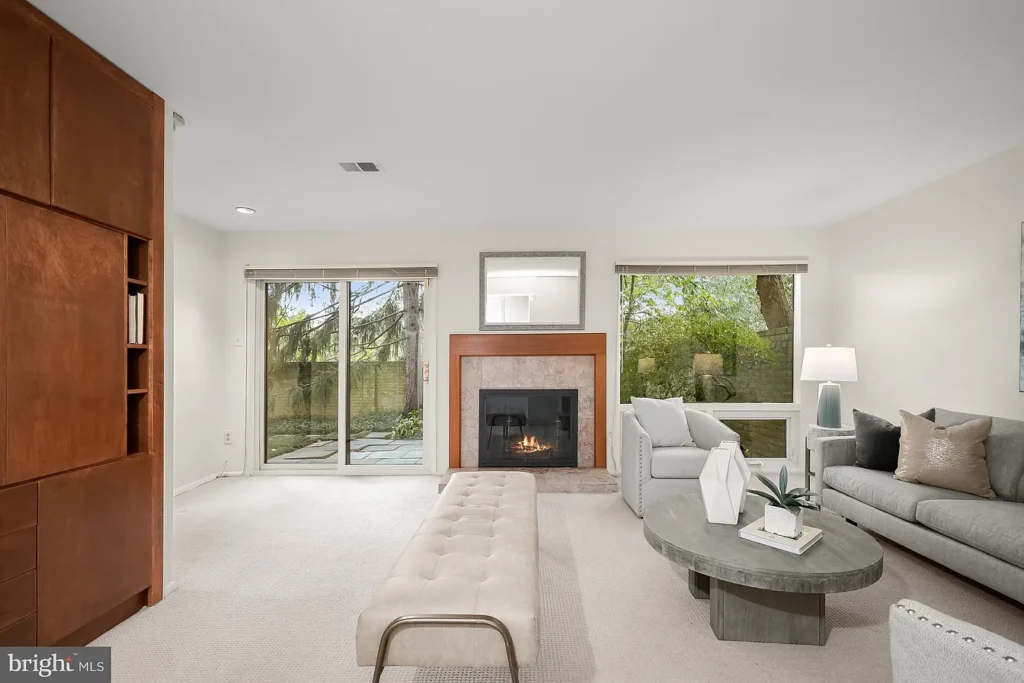 Floor to ceiling, south facing windows
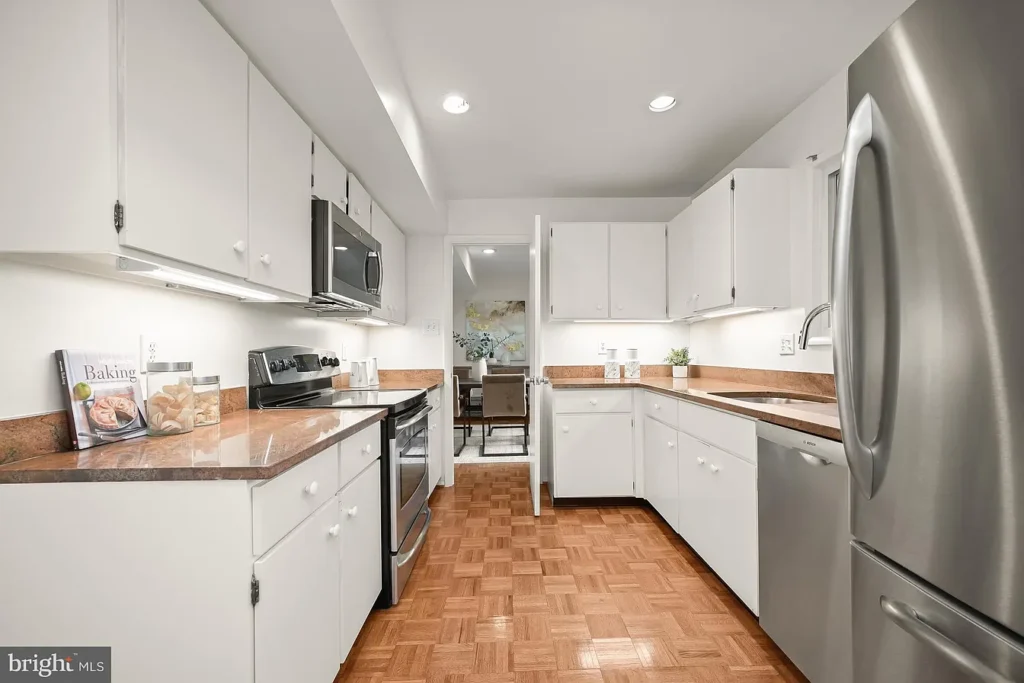 Closed off galley style kitchen
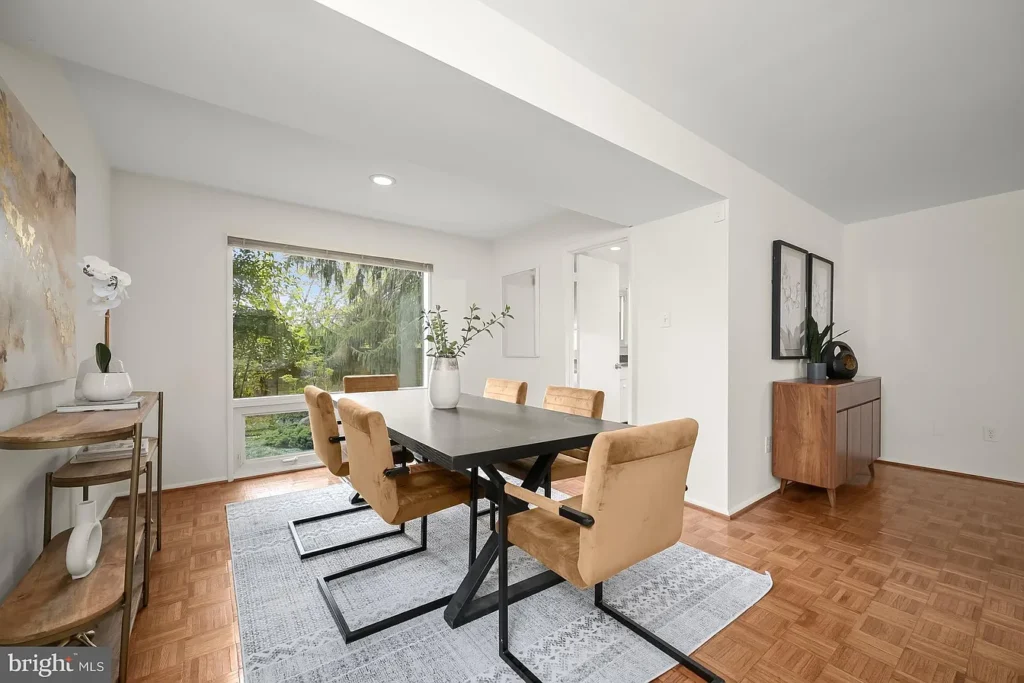 Kitchen separated from dining, weird wasted space
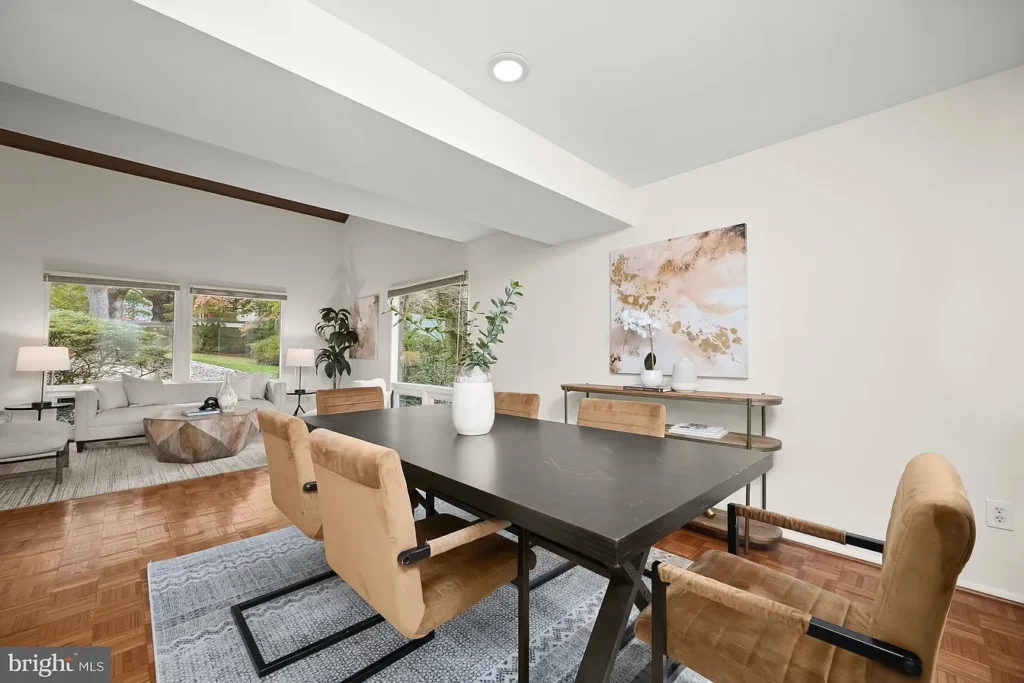 Floor to ceiling, south facing windows
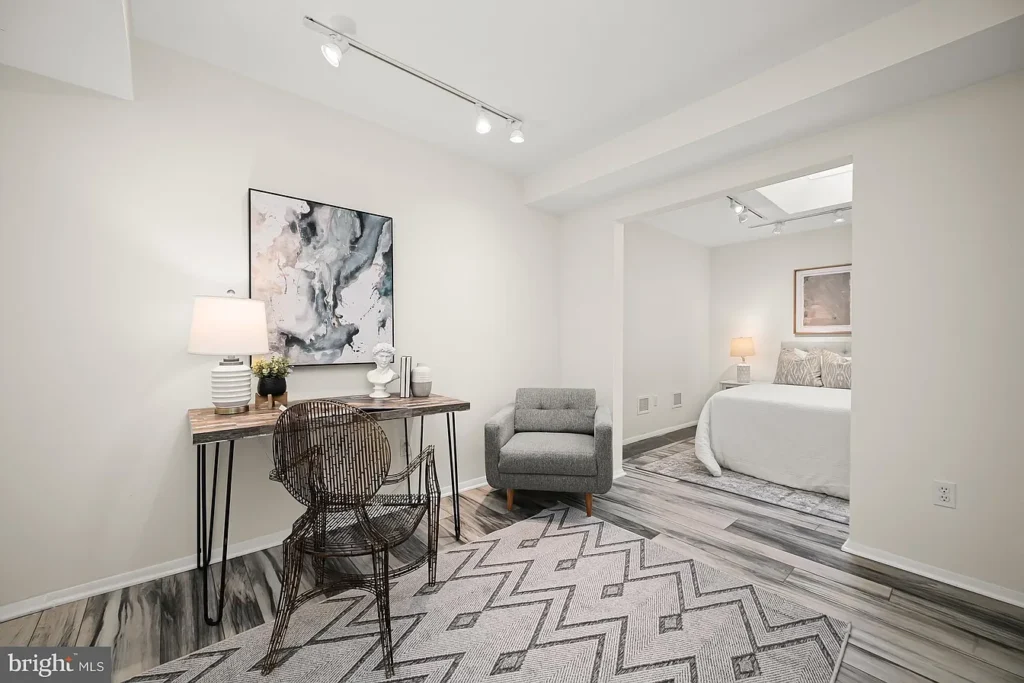 First Floor bedroom / flex space
You don’t know what you’ve got ’til it’s gone
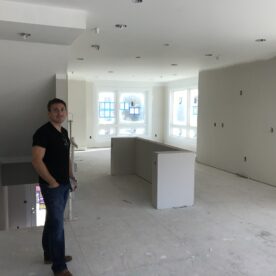
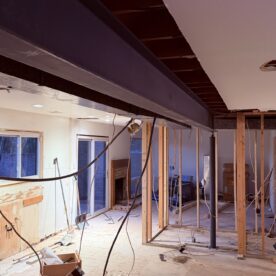
Inspired by the Property Brothers: Forever Home playbook, we decided to tear the house open—literally. Instead of designing around old assumptions, we demoed first to reveal the structure, the mechanics, and the decades of mysteries hiding behind the walls. And yes, some of those “mysteries” turned out to be elaborate squirrel nests filled with pistachios. We briefly wondered if the previous owners ever accused each other of secretly raiding the nut stash.
Only once the house was stripped to its shell could we finally understand what we had. A blank canvas may be dusty, chaotic, and occasionally full of wildlife snacks—but it’s still one of the most powerful design tools you can get. With demo complete, we have clear line of sight into the home we’ve been envisioning.
Reclaiming Mid-Century Intent
One of our favorite discoveries came from removing that kitchen wall: we reclaimed a strange 6-by-9-foot pocket of “dead space” that didn’t belong to the entryway, living room, or dining room. It will become a generous, genuinely useful kitchen island—the kind of change that instantly transforms how a home feels and functions. And the payoff at the front door is huge: instead of entering and staring at a bulky wall, you’ll now be greeted with sightlines through the kitchen and out to the light-filled Japanese garden.
The family room tucked at the back of the house becomes a second zone—a quieter, more intimate space for TV, music, or simply escaping the chaos of a bustling dinner party. It’s also the perfect spot to enjoy the late-setting summer sun after spending the day cooking barbecue for family and friends.
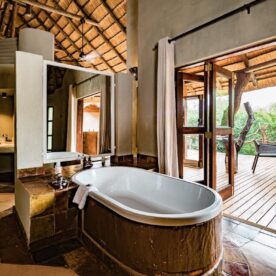
And the first-floor primary suite—which we’ll use as a yoga studio and office—will glimmer in sunlight thanks to an added beam and a refreshed three-piece bath.
Where Dust Meets Opportunity
The second floor is where we’re undoing some of the “creative” renovations from the ’80s and ’90s. The house originally had four bedrooms upstairs and a fifth on the main floor. But somewhere along the way, two of those upstairs bedrooms were merged into a single, comically long 24-foot guest room—great if you’re hosting a bowling league, less ideal for how we plan to use the house.
Reclaiming part of that oversized space for the primary suite unlocks a whole chain reaction of improvements. By right-sizing the rooms, we can eliminate an unnecessary hallway—and in a smaller home, converting a hallway into functional living space is a golden opportunity. That reclaimed footprint becomes dual walk-in closets for the primary, a second-floor laundry room (finally), and an expanded guest bath with double sinks and even a towel warmer. Hallway or heated towels? Not exactly a tough call.
Dust everywhere? Yes. Worth it? Absolutely.
How We’re Guiding the Journey
Before takingon any new house, we set a few guiding principles—less “rules,” more hard-earned truths from all the homes we’ve restored and reimagined through the years. As this project unfolds, they’re the compass keeping us on track.
- Start with a floor plan that actually works for the way you live. We spend most of our waking hours in the kitchen, practicing yoga, or working from home, so creating connected, thoughtful spaces for everyday living—with a workspace that feels separate enough to keep me from feeling perpetually “at the office”—was non-negotiable.
- Design for this house, respecting its climate, materials, and history. In protected mid-century communities like this one, honoring the original architectural intent isn’t just good taste—it’s part of the responsibility of living here.
- Always remember we’re stewards of a property, not just its temporary occupants. That means choosing energy-efficient systems, durable materials, and purposeful updates that will serve the house well into its next chapter.
- Aim for timeless design by steering clear of trend traps (yes, even mid-century had its questionable flirtations with formica and linoleum). The goal is to modernize using the kinds of natural materials, textures, and styles that could have existed in the era—balancing authenticity with longevity.
- And finally: let the outdoors guide the indoors. Our palette draws straight from what surrounds the house—brick walls, green lawn, magnolia trees, and the Japanese garden—woven together with classic mid-century tones for a warm, organic continuity.
Chapter 2, the next post, will share our Ideas Board and take you deeper into the design vision we’re building toward.