Formative Influences
Before I knew the term “mid-century modern,” I was living inside it. Growing up in suburban Pittsburgh—surrounded by 1950s–1970s neighborhoods and in the long shadow of Fallingwater—I absorbed the language of the style without realizing it. Frank Lloyd Wright’s nearby masterpiece wasn’t just famous; it was proof that homes could be bold, human, and deeply connected to their surroundings.
What I didn’t understand then was that mid-century modern didn’t begin as a luxury aesthetic or a style defined by luxury retreats in Palm Springs and Miami. It was born out of necessity.
A Style Shaped by Scarcity
In the aftermath of World War II, much of the world faced the same urgent problem: housing shortages on a massive scale. Entire cities needed to be rebuilt—quickly, efficiently, and affordably—while materials and skilled labor were scarce.
Minimalism wasn’t just philosophical—it was practical.
Clean lines reduced waste. Ornamentation disappeared because the labor needed to create it wasn’t available. Even some of the era’s most celebrated design elements came from constraint. Parquet and herringbone floors—now associated with craftsmanship and elegance—were originally made from small leftover cuts of wood. Waste became design.
Also at the same time, people had grown weary of heavy, ornate interiors that clung to European aristocratic ideals—spaces overloaded with symbolism, excess, and hierarchy. Mid-century modern offered something different: a postwar reinvention of domestic life defined by clean, rectilinear profiles and a stronger connection to the world outside.
Why Mid-Century Modern Is Having a Moment (Again)
Mid-century modern design starts with the room itself—light, proportion, and flow come before decoration. In fact, a well-designed room’s shape is the decoration. Spaces are formed to move naturally, connect visually, and feel open without being empty. Walls are there to frame views. Windows pull the outside in. Rooms relate to one another rather than existing in isolation.
Furniture supports that architecture rather than compete with it. Pieces are sculptural but purposeful, scaled to the room and designed for real comfort and use. Nothing crowds circulation. Nothing exists just to fill space. Every object has a job. Materials are treated with the same honesty. Wood looks like wood. Steel looks like steel. Structure and finishes are expressed, not concealed.
The result is a house that feels intentional rather than a collection of disconnected rooms assembled to check off a wish list. And in a moment when so much design feels performative or trend-driven, mid-century modern’s clarity and coherence feel not nostalgic, but quietly radical.
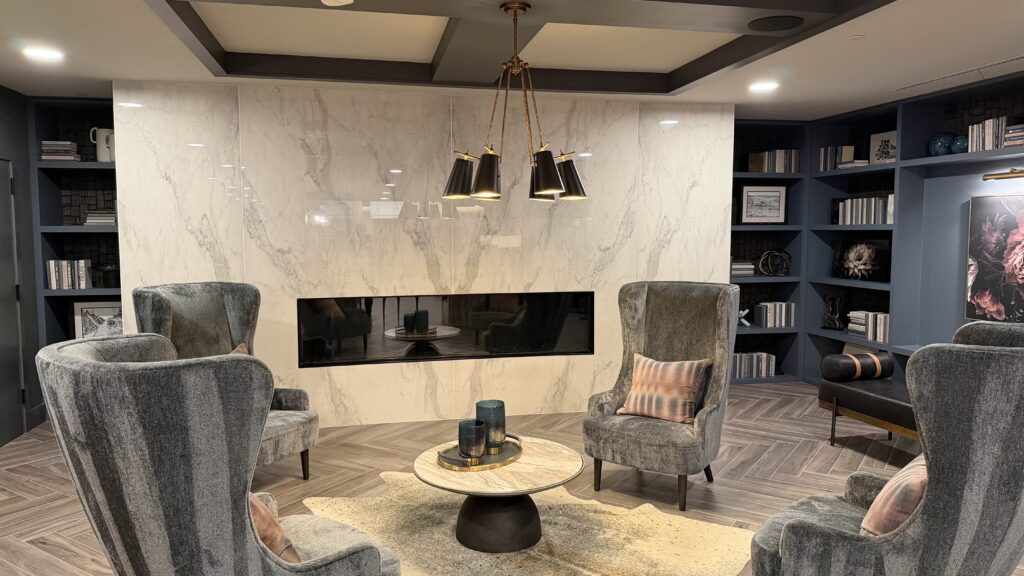
That question of how a room should actually function came up repeatedly for Ramiro and I as we debated whether to buy this house at all. We didn’t want a formal living room designed for zero use. While exploring mid-century design books, we kept returning to a hallmark of the era: the conversation pit. We realized the space could become a modern interpretation of that idea—minus the Roomba-hostile hole in the floor—designed to comfortably receive guests and encourage actual conversation. That decision ultimately tipped us from hesitation to commitment.
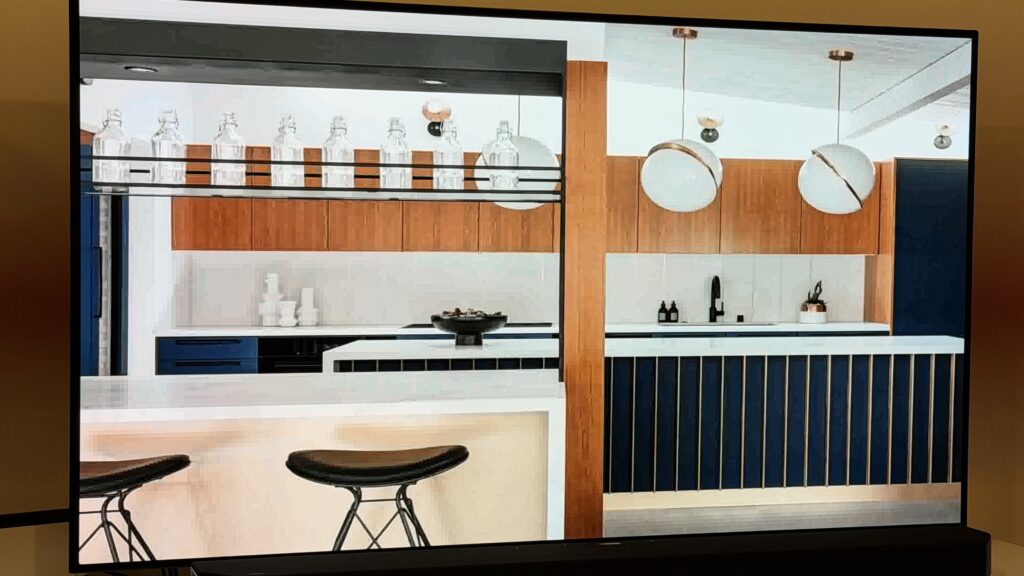 Rooms are warm, featuring natural colors and depth in lighting
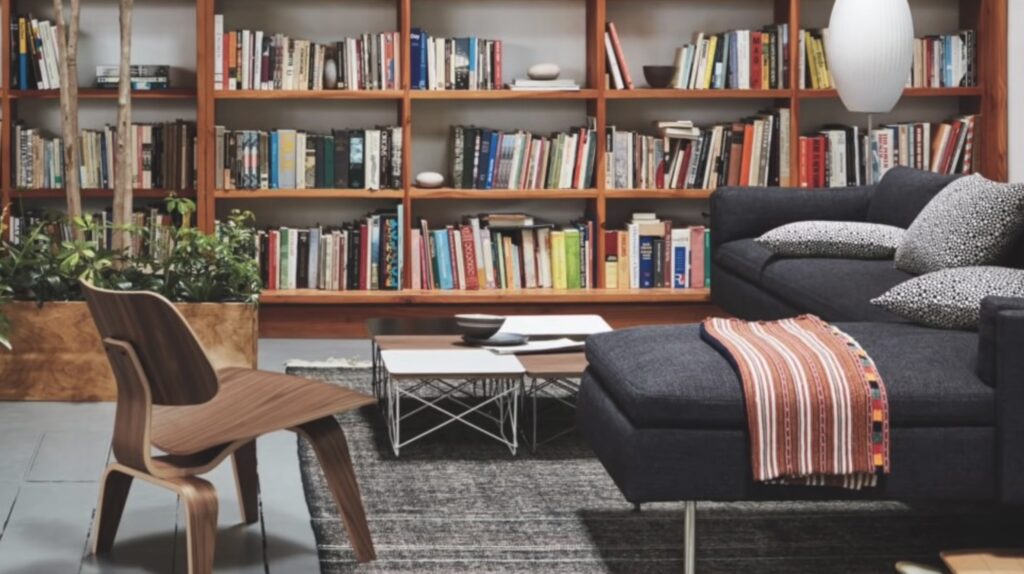 Books and vinyl records feature prominently in home decor
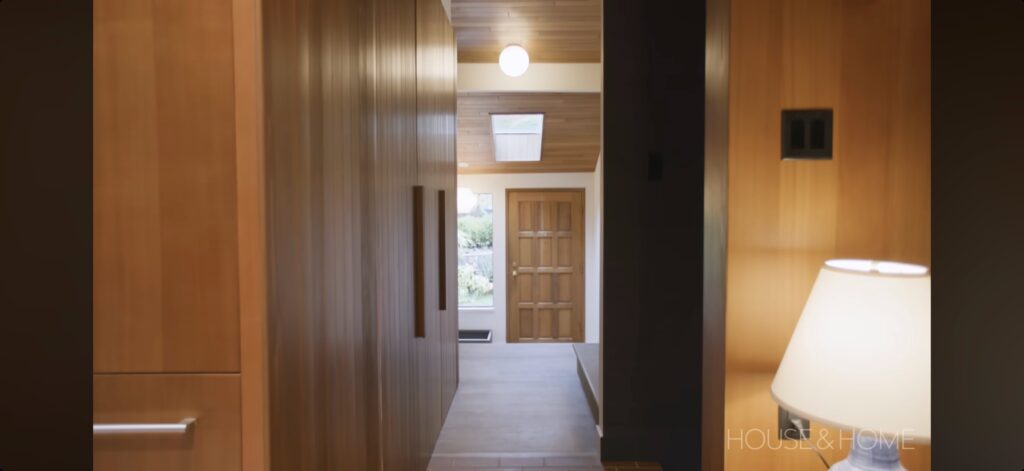 Custom millwork instead of a row of standard doors make even boring hallways feel intentional
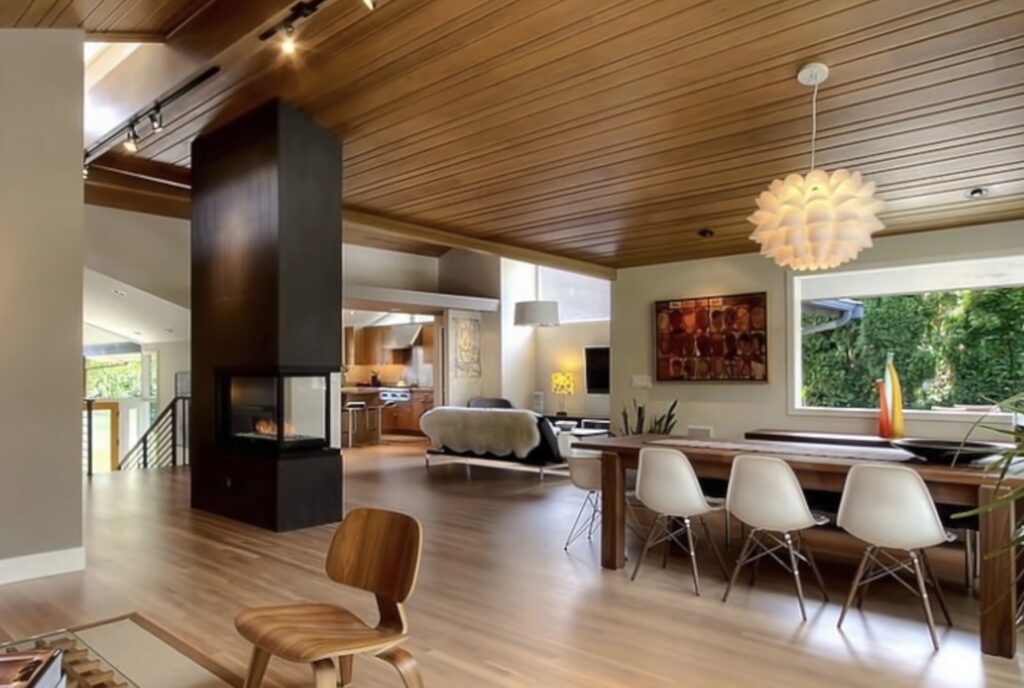 Interior designs feature multiple layers of natural materials, particularly wood
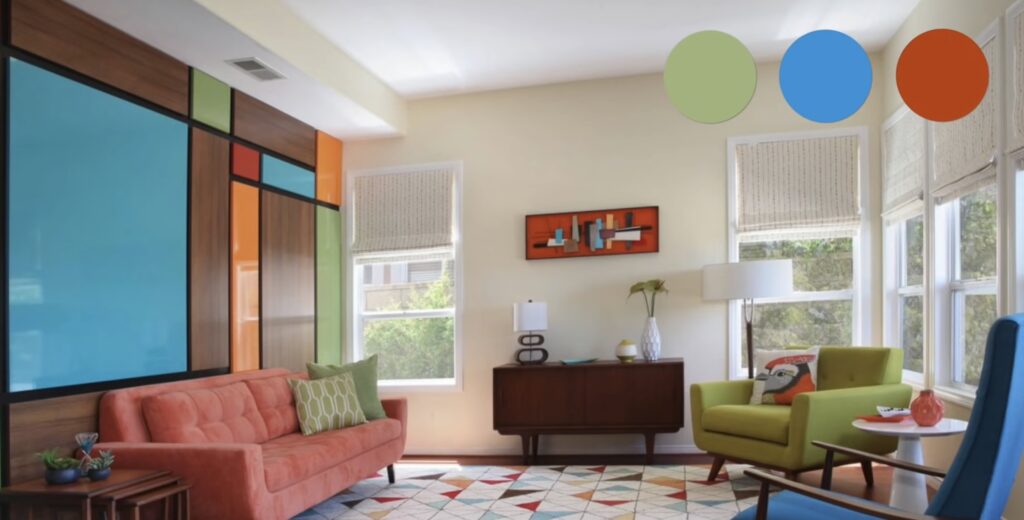 Color should be true to the era but also appropriate for today
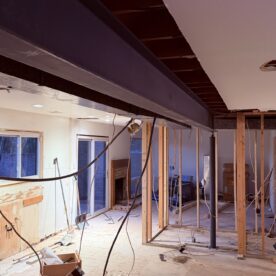
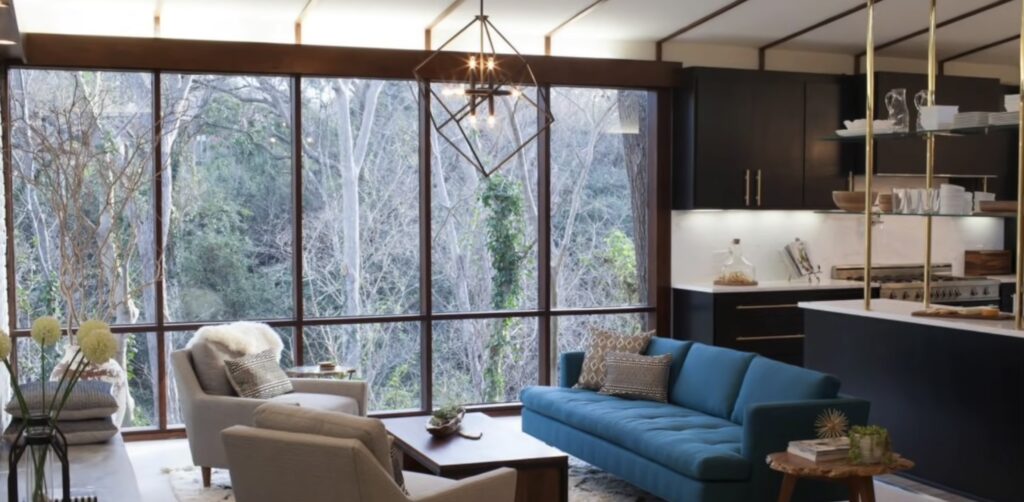 Spaces reveal structural elements and connect the outdoors to the indoors
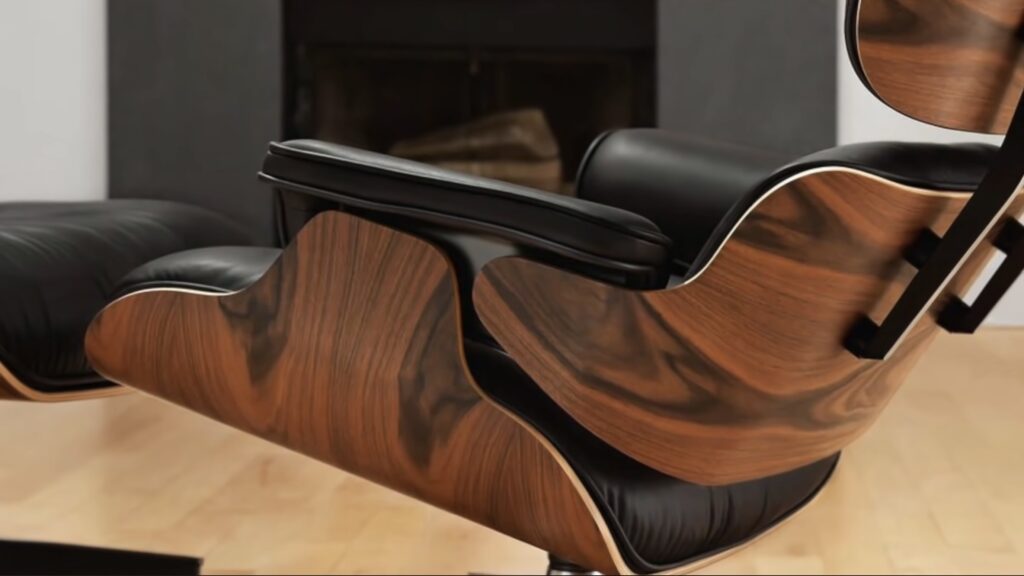 Even iconic design details–including the Eames Chair–were born of constraint
The Death of Millennial Gray
When rooms are designed with intention, they don’t need to be neutralized into submission. It’s no surprise that many recent builds—designed to maximize square footage without considering how space is actually used, then draped in prison gray neutrality—are falling out of favor.
The recent backlash against “millennial gray” isn’t surprising. Entire homes stripped of color, warmth, and personality in the name of resale value were bound to wear thin. Design magazines—from ArchitecturalDigest to The New York Post—have openly questioned the aesthetic’s dominance, viral home flips have become cautionary tales across social media, and even the Home Alone house—a pop-culture landmark—made headlines in outlets like NBC Chicago for erasing the very character that once made it an enviable home.
Mid-century modern offers an alternative that feels fresh without forcing a notion of trendy. It embraces color without chaos, warmth without weight, and nostalgia without novelty. It’s expressive, but grounded. Stylish, but livable.
Color Pallet: Cold Prison or Warm Mother Nature


Chosen Materials
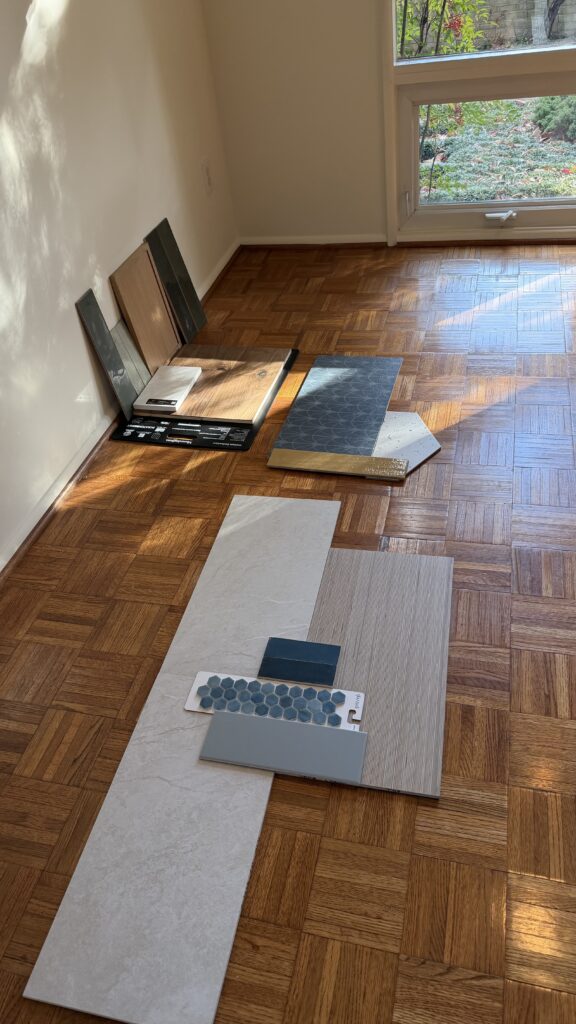
Mid-century color is never arbitrary—it’s drawn from nature, grounded in material, and used with restraint. The palette we’ve selected reflects that philosophy and was assembled through hands-on time in mid-century modern shops and showrooms, working directly with materials rather than choosing from screens.
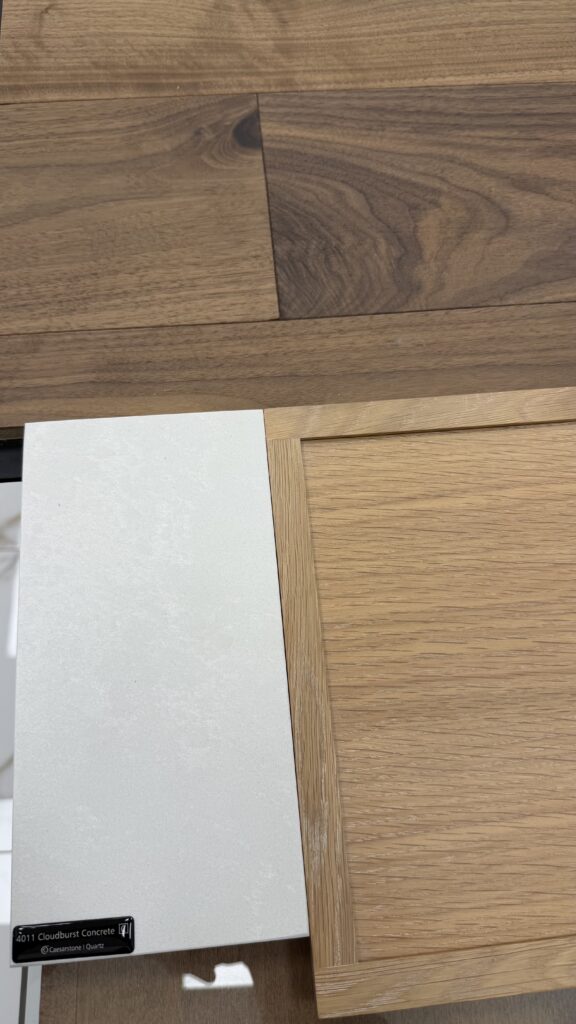
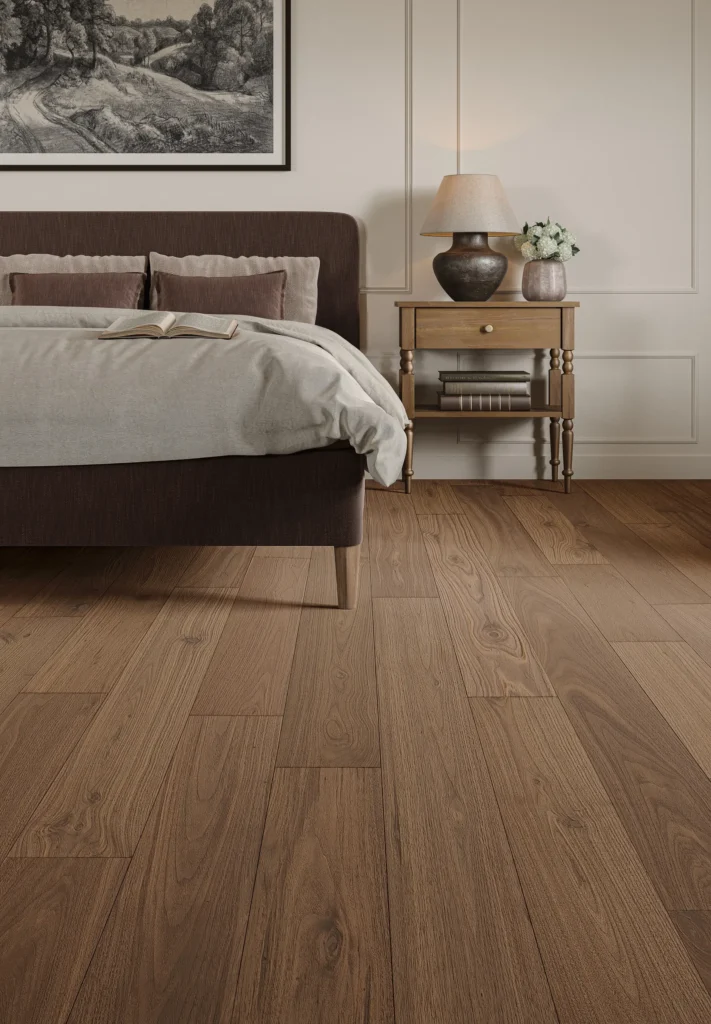
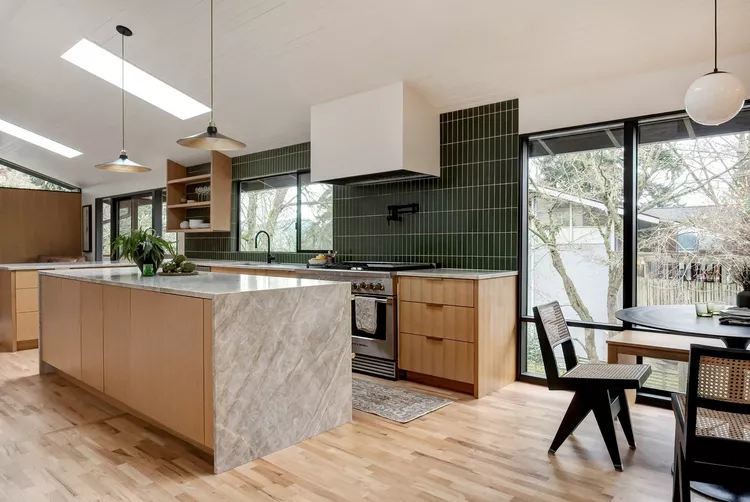
Handcrafted olive-green tile backsplash, with natural color variation, echoes the magnolia trees just outside the kitchen window, anchoring the kitchen and reinforcing the connection with the garden. Artisanal walnut flooring runs throughout the house, providing warmth and continuity, while cabinetry and countertops remain intentionally calm—allowing texture and grain to lead.
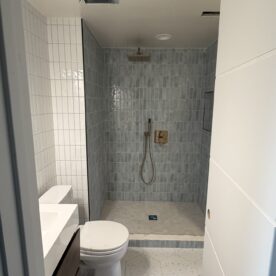
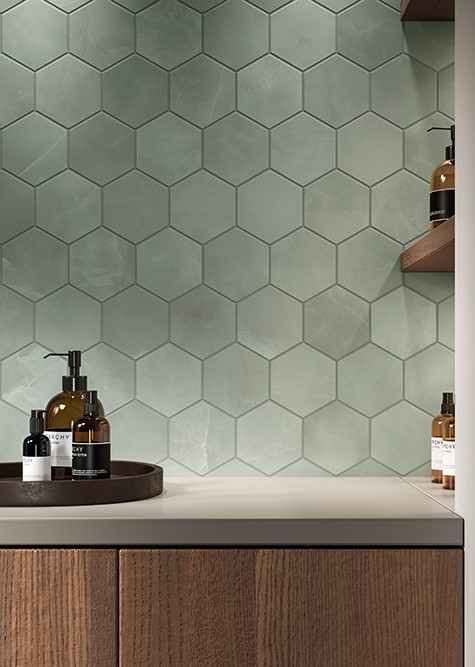
In the bathrooms, color becomes more expressive. Terrazzo and patterned tiles in the first-floor bath reference classic mid-century geometry. The primary bath takes on a spa-like feel, with soft green octagon tile meant to evoke the calm of being among trees. The upstairs guest bath layers blues and whites in hand crafted square tile, designed to feel like passing soft clouds on an otherwise clear sky day.
There are still plenty of decisions to make, including what to do with the entryway. Demo work uncovered a layer of what was likely slate tile, but restoring it isn’t an option—I’m not interested in constant maintenance. That leaves two paths: introducing a modern black-and-white geometric tile (my signature take on a Washington classic), or extending the hardwood all the way to the front door. I’m generally a fan of consistent flooring throughout a house, but entryways and bathrooms are the exceptions, where durability and practicality make tile an essential choice.
Materials Selection
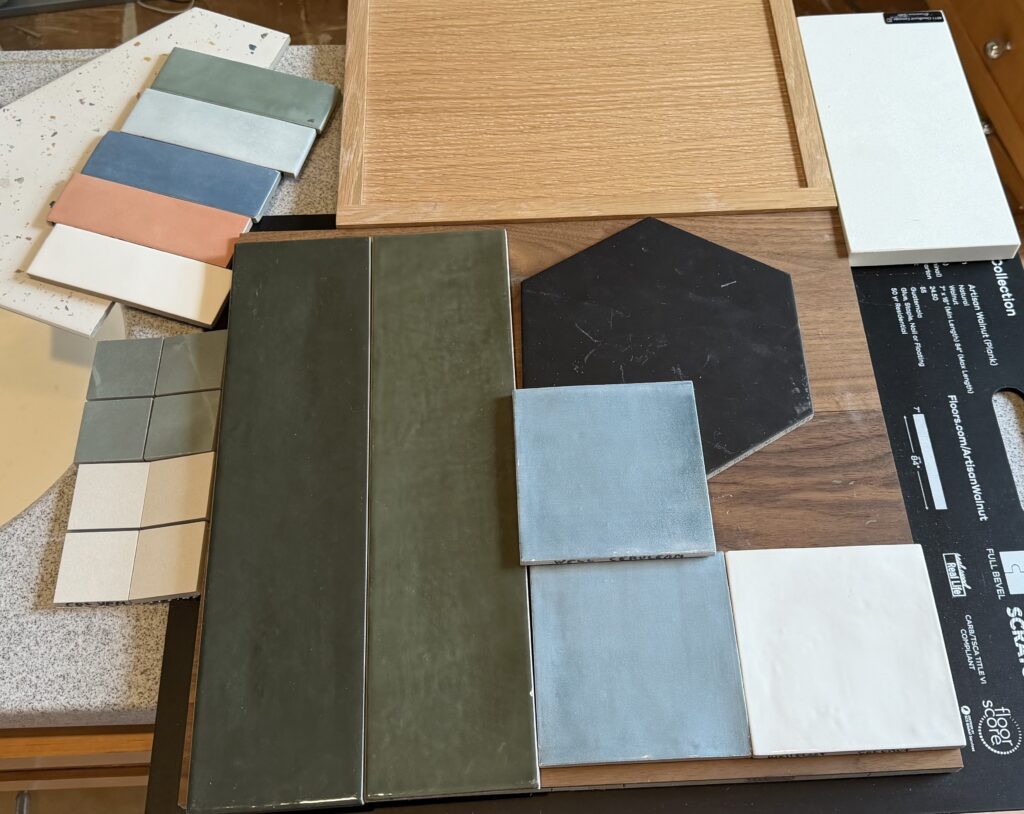
Inspiration Board
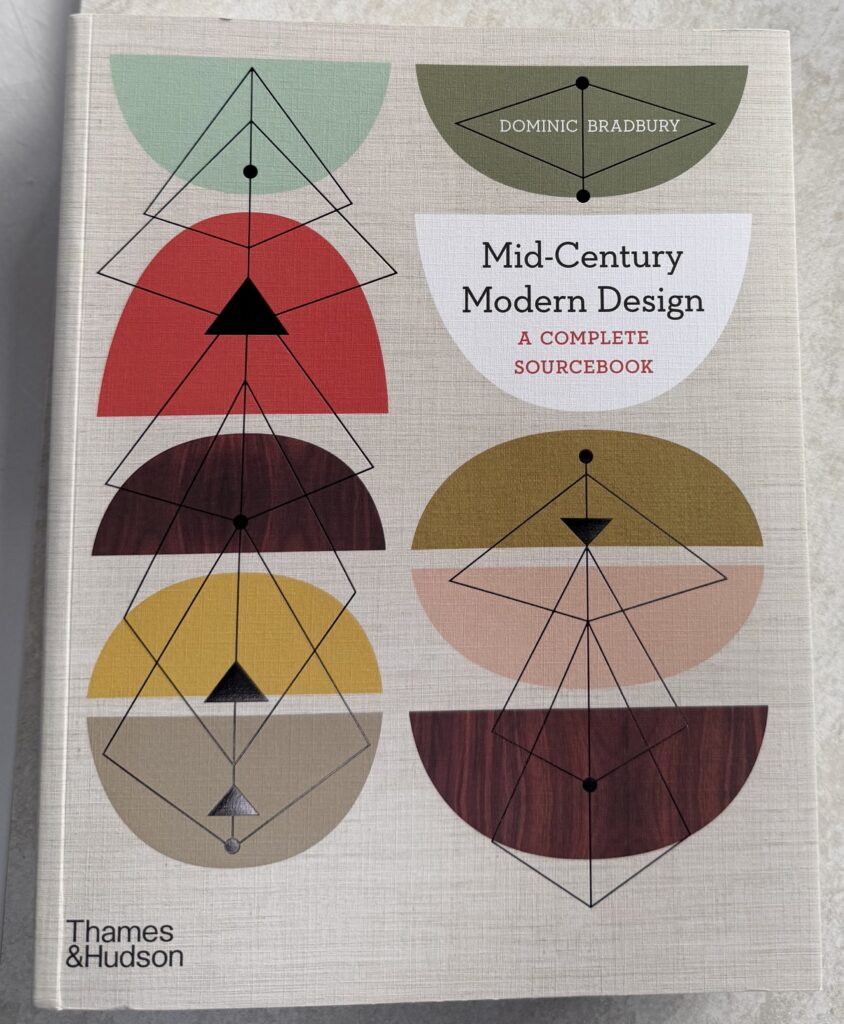
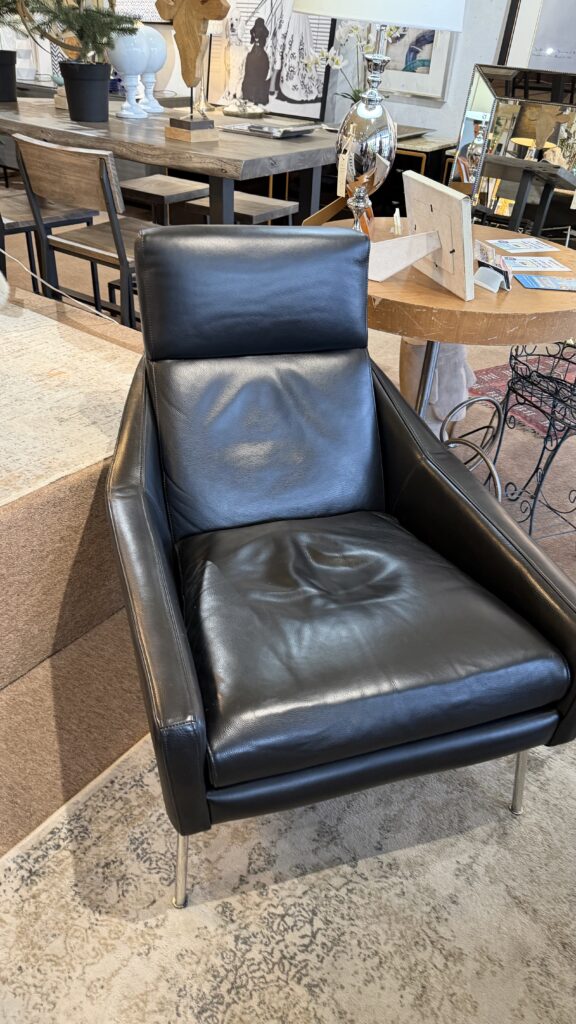
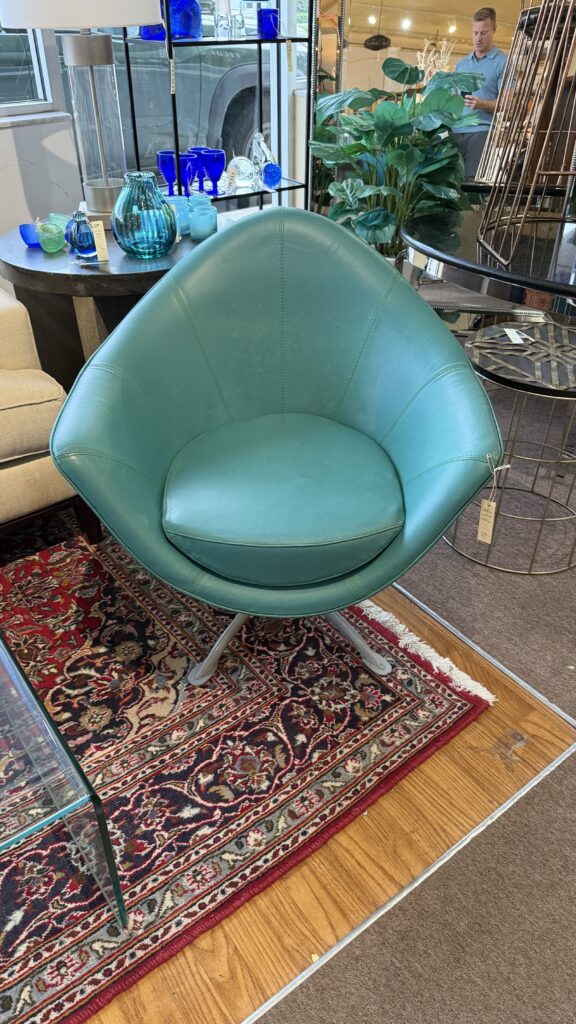
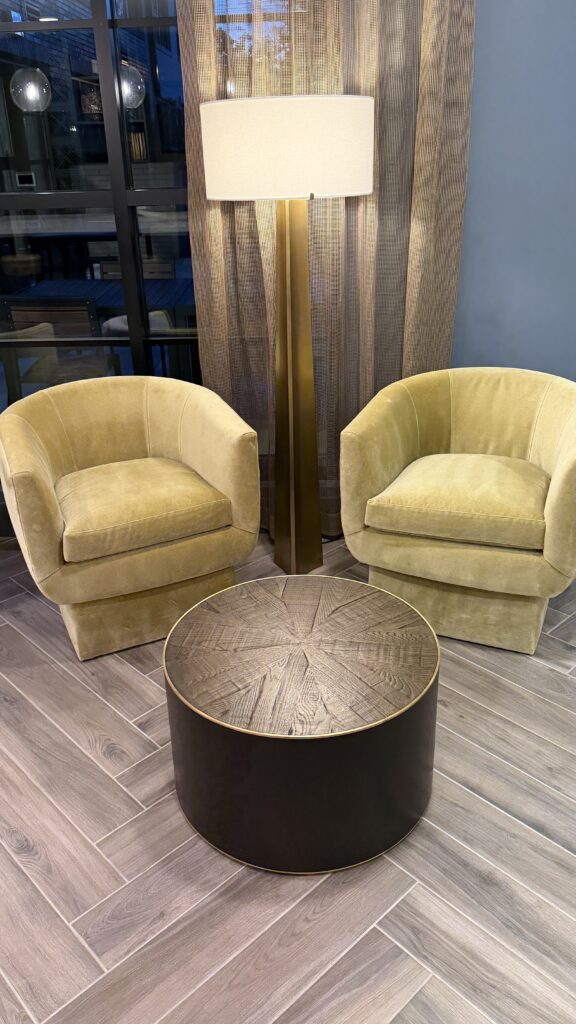
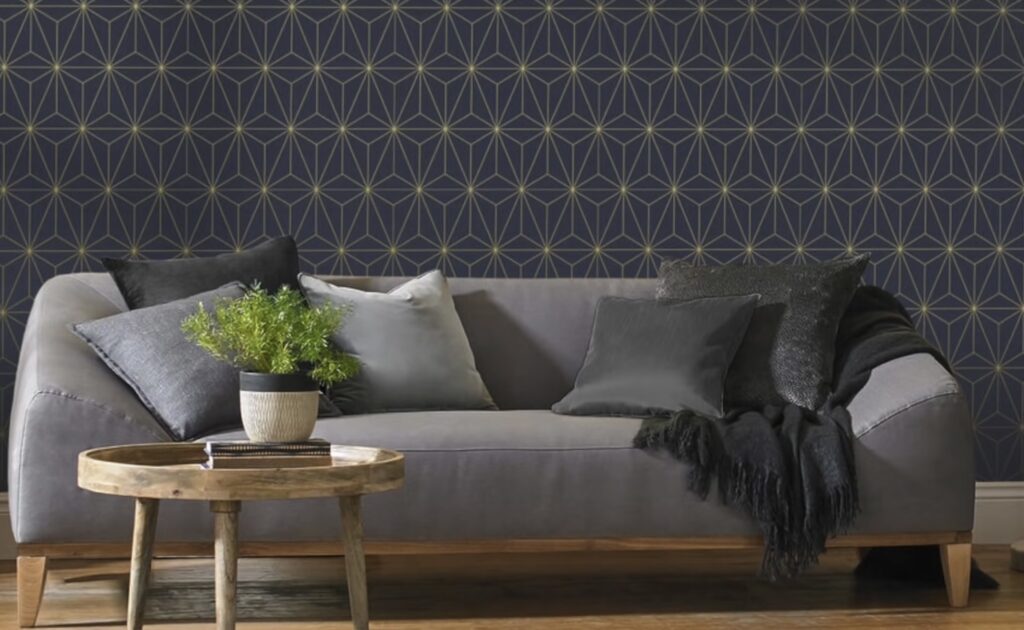
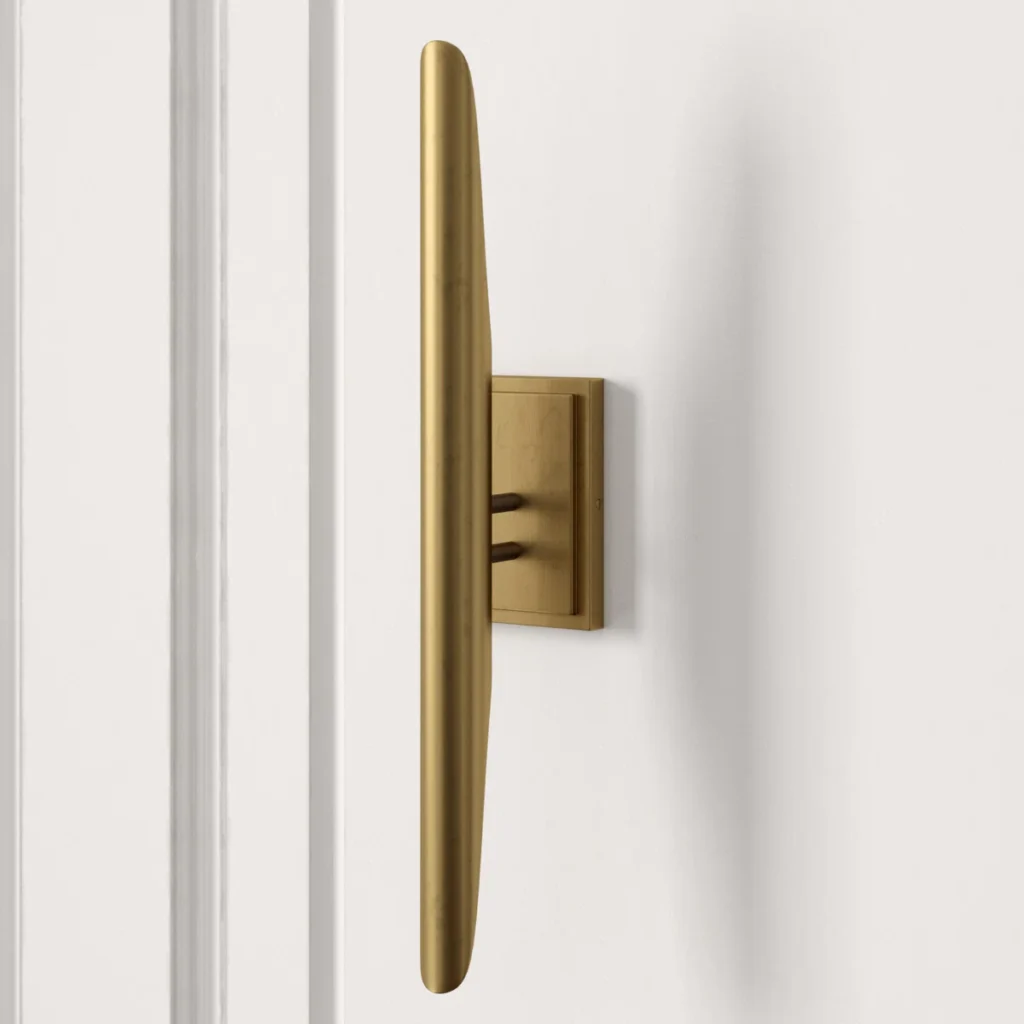
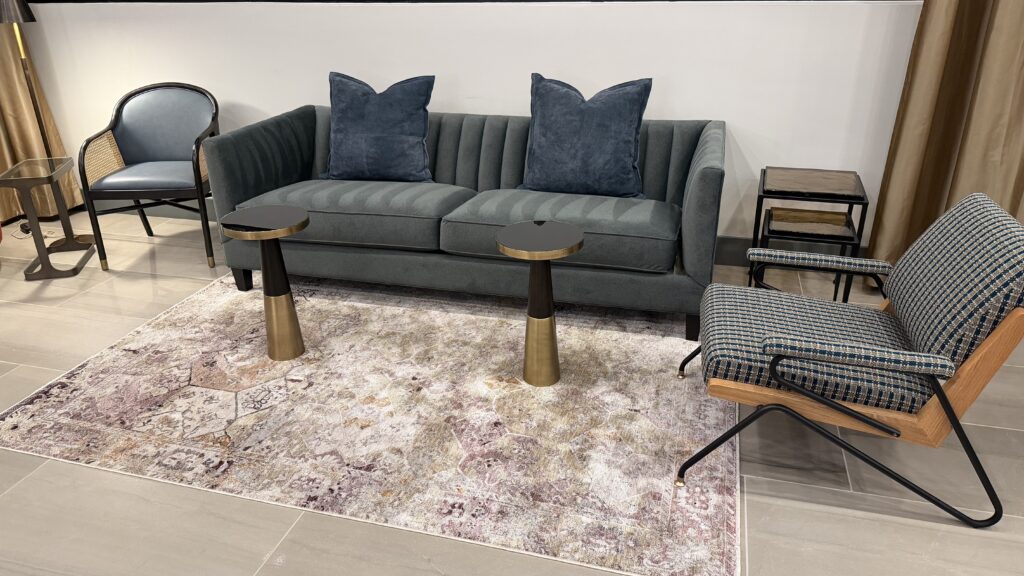
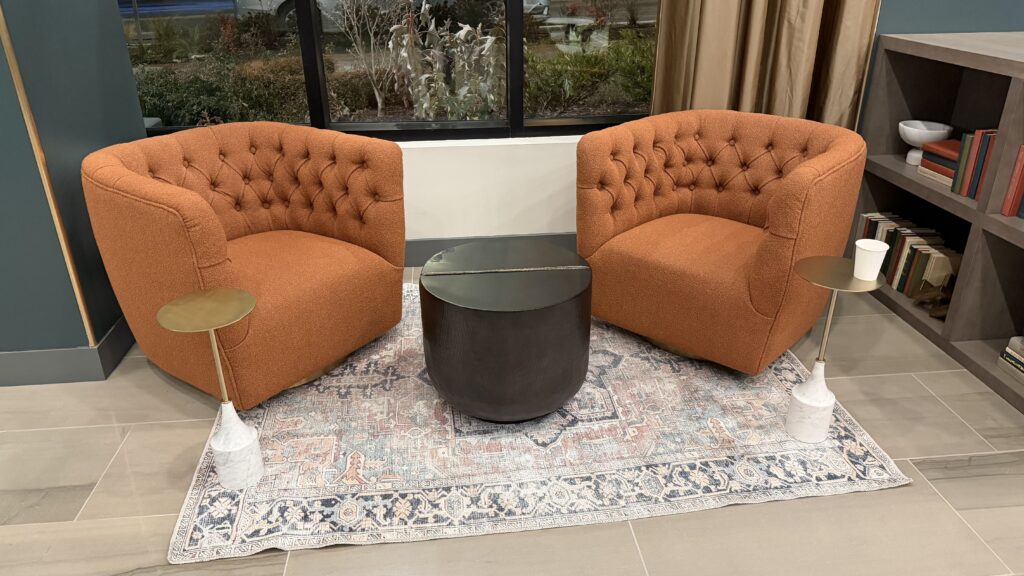
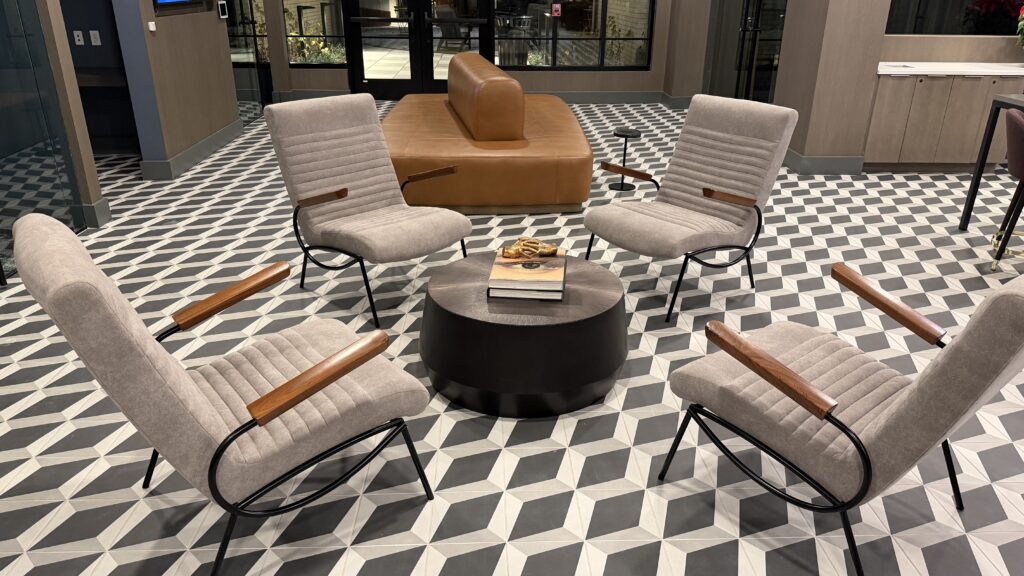
The inspiration board shows how these materials come together in lived-in spaces. Vintage mid-century furniture sourced from Florida and New York introduces honest materials, sculptural form, and a sense of timelessness. Mixing vintage with new designer pieces will complement the furniture we already own, reinforcing a look that feels collected through time.
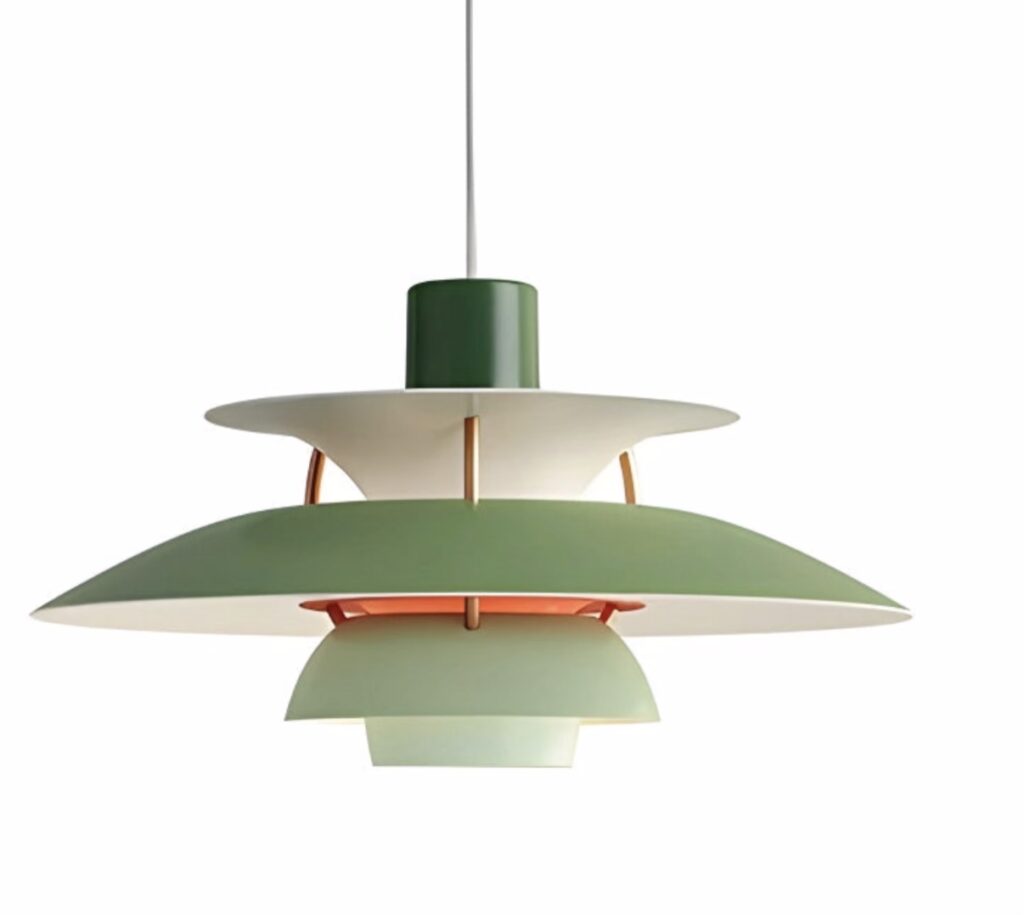
Thoughtful layers of lighting will frame views in the living and dining rooms and improve task visibility in the kitchen. The result is a home rooted in mid-century principles, informed by craftsmanship, and shaped to support how the house is actually lived in today.
What’s Next – Chapter 3
With the design language and materials now defined, the next step is looking back before moving forward. Chapter 3 takes a walk down memory lane, revisiting the renovation projects I took on in my first home on Capitol Hill in the 1990s—a time of youthful optimism, limited budgets, and lessons learned the hard way.
Those early projects—and just as importantly, the ones I couldn’t afford to take on—shaped how I think about space, proportion, and compromise. They’re lessons that feel especially relevant when confronting decisions like an oversized primary bath that prioritizes spectacle over everyday function. Before finalizing new plans, it felt right to return to where it all started and carry forward the wisdom earned one project at a time.